Buttons are fundamental components that allow the user to trigger a defined action. There are five types of buttons. This table describes the appearance of each of the five button types, as well as where you should use them:
| Type | Appearance | Purpose |
|---|---|---|
| Filled | Solid background with contrasting text. | High-emphasis buttons. These are for primary actions in an application, such as "submit" and "save." The shadow effect highlights the button's importance. |
| Filled tonal | Background color varies to match the surface. | Also for primary or significant actions. Filled tonal buttons provide more visual weight and suit functions such as "add to cart" and "Sign in." |
| Elevated | Stands out by having a shadow. | Serves a similar purpose to tonal buttons. Increase elevation to make the button appear even more prominently. |
| Outlined | Features a border with no fill. | Medium-emphasis buttons, containing actions that are important but not primary. They pair well with other buttons to indicate alternative, secondary actions like "Cancel" or "Back." |
| Text | Displays text with no background or border. | Low-emphasis buttons, ideal for less critical actions such as navigational links, or secondary functions like "Learn More" or "View details." |
This image demonstrates the five types of buttons in Material Design:

API surface
onClick: The function that the system calls when the user presses the button.enabled: Whenfalse, this parameter makes the button appear unavailable and inactive.colors: An instance ofButtonColorsthat determines the colors used in the button.contentPadding: The padding within the button.
Filled button
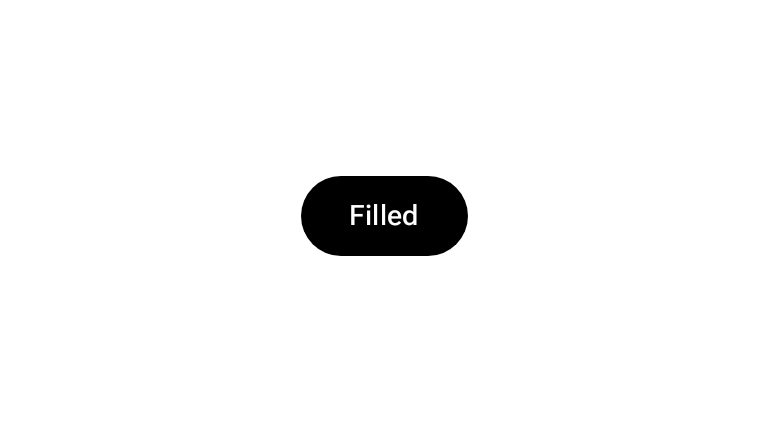
The filled button component uses the basic Button composable. It is
filled with a solid color by default. The snippet shows how to implement the
component and preview it interactively:
@Composable fun FilledButtonExample(onClick: () -> Unit) { Button(onClick = { onClick() }) { Text("Filled") } }
Filled tonal button
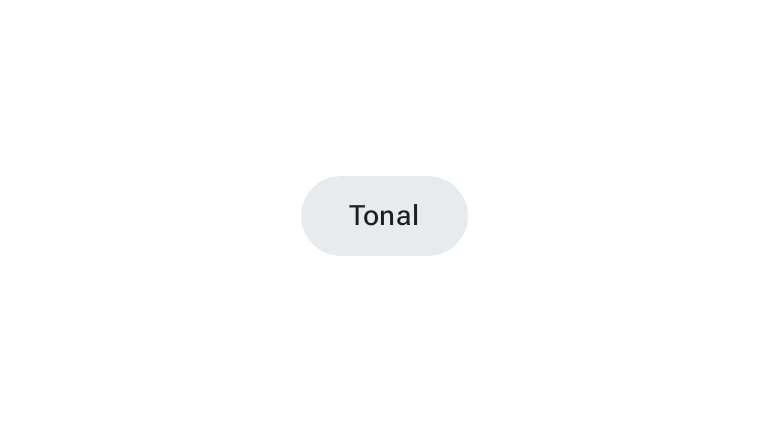
The filled tonal button component uses the FilledTonalButton composable.
It is filled with a tonal color by default.
The snippet shows how to implement the component and preview it interactively:
@Composable fun FilledTonalButtonExample(onClick: () -> Unit) { FilledTonalButton(onClick = { onClick() }) { Text("Tonal") } }
Outlined button
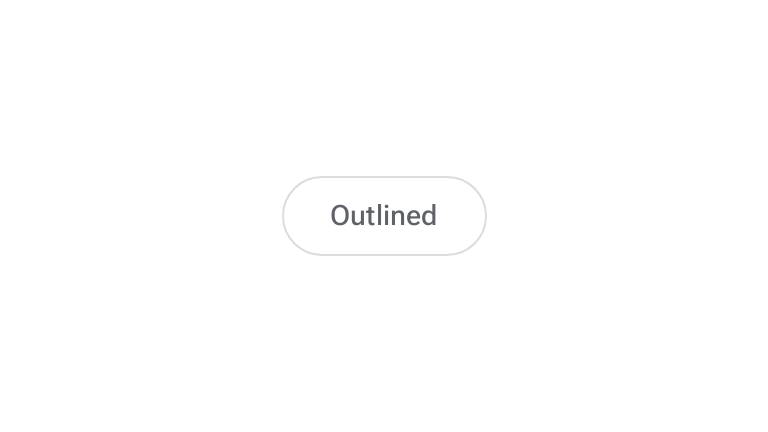
The outlined button component uses the OutlinedButton composable. It
appears with an outline by default.
The snippet shows how to implement the component and preview it interactively:
@Composable fun OutlinedButtonExample(onClick: () -> Unit) { OutlinedButton(onClick = { onClick() }) { Text("Outlined") } }
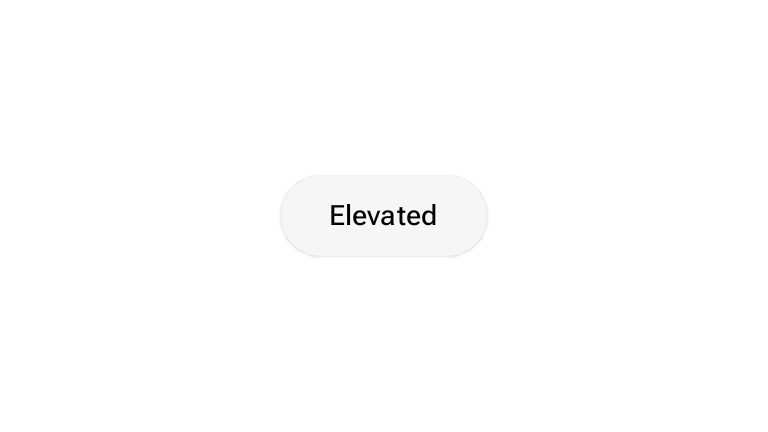
Elevated button
The elevated button component uses the ElevatedButton composable. It has
a shadow that represents the elevation effect by default. It is a filled button
that includes a shadow.
The snippet shows how to implement the component and preview it interactively:
@Composable fun ElevatedButtonExample(onClick: () -> Unit) { ElevatedButton(onClick = { onClick() }) { Text("Elevated") } }
Text button
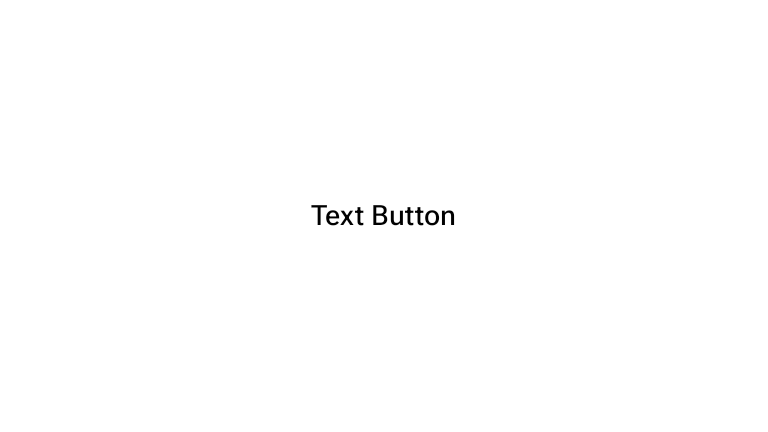
The text button component uses the TextButton composable. It appears as
only text until pressed. It does not have a solid fill or outline by default.
The snippet shows how to implement the component and preview it interactively:
@Composable fun TextButtonExample(onClick: () -> Unit) { TextButton( onClick = { onClick() } ) { Text("Text Button") } }
M3 Expressive update
Buttons now have a wider variety of shapes and sizes and toggle functionality, and can change shape when selected.
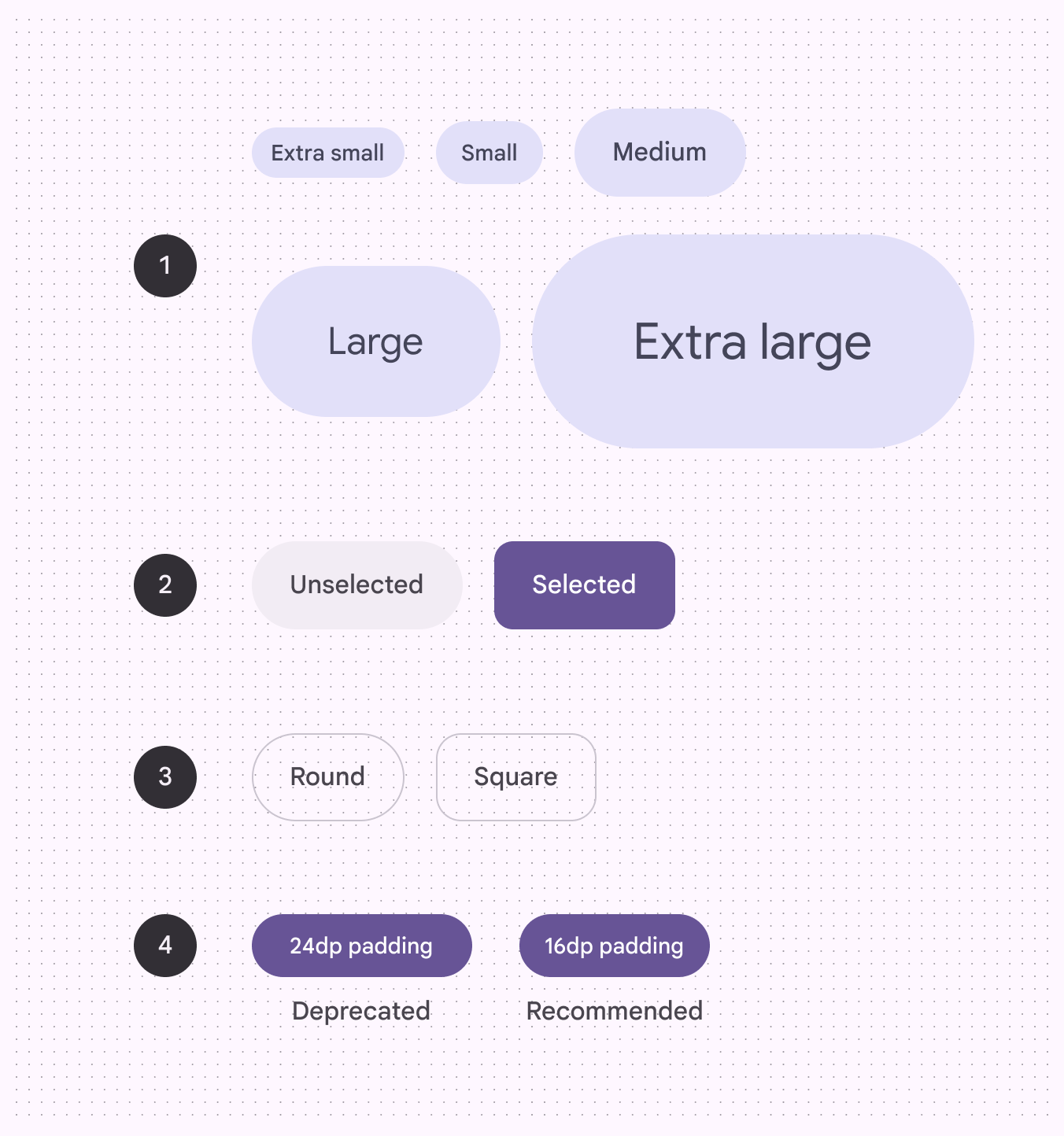
For more information about the M3 Expressive updates for buttons, see the Material Design 3 Buttons guidelines.
Toggle buttons
Four toggle button styles are available: filled, elevated, tonal, and outlined.
Filled
The filled button style has the most visual impact after the floating action button (FAB), and should be used for important, final actions that complete a flow, like Save, Join now, or Confirm.
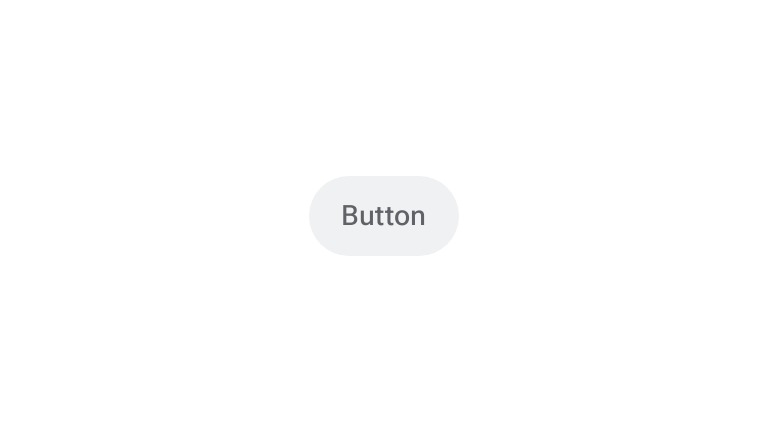
The following snippet demonstrates how to implement a filled toggle button:
@Composable fun ToggleButtonSample() { var checked by remember { mutableStateOf(false) } ToggleButton(checked = checked, onCheckedChange = { checked = it }) { Text("Button") } }
Elevated
Elevated buttons provide separation from a visually prominent background.
The following snippet demonstrates how to implement an elevated toggle button:
@Composable fun ElevatedToggleButtonSample() { var checked by remember { mutableStateOf(false) } ElevatedToggleButton(checked = checked, onCheckedChange = { checked = it }) { Text("Elevated Button") } }
Tonal
The tonal button style is filled with a tonal color by default. It is useful in contexts where a lower-priority button requires slightly more emphasis than an outline would give.
The following snippet demonstrates how to implement a tonal toggle button
using FilledTonalToggleButton:
@Composable fun TonalToggleButtonSample() { var checked by remember { mutableStateOf(false) } FilledTonalToggleButton(checked = checked, onCheckedChange = { checked = it }) { Text("Tonal Button") } }
Outlined
The outlined style is ideal for medium-emphasis buttons that contain actions that are important, but are not the primary action in a product.
The following snippet demonstrates how to implement an outlined toggle button:
@Composable fun OutlinedToggleButtonSample() { var checked by remember { mutableStateOf(false) } OutlinedToggleButton(checked = checked, onCheckedChange = { checked = it }) { Text("Outlined Button") } }
Size options
Material 3 Expressive adds four sizing options besides the default small size:
extra small, medium, large, and extra large. Expressive button overloads take a
required shapes parameter, or you can apply expressive sizing to a standard
Button by setting ButtonDefaults.contentPaddingFor(...), as the following
examples show:
Small (existing default)
Small button measurements:
- Height: 40dp
Default button
The following snippet demonstrates how to implement a small button with an icon:
@Composable fun ButtonWithIconSample() { Button( onClick = { /* Do something! */ }, contentPadding = ButtonDefaults.contentPaddingFor(ButtonDefaults.MinHeight, hasStartIcon = true), ) { Icon( painter = rememberVectorPainter(AppIcons.FavoriteFilled), contentDescription = null, modifier = Modifier.size(ButtonDefaults.iconSizeFor(ButtonDefaults.MinHeight)), ) Spacer(Modifier.size(ButtonDefaults.iconSpacingFor(ButtonDefaults.MinHeight))) Text("Like") } }
Toggle button
The following snippet demonstrates how to implement a small toggle button with an icon:
@Composable fun ToggleButtonWithIconSample() { var checked by remember { mutableStateOf(false) } ToggleButton(checked = checked, onCheckedChange = { checked = it }) { Icon( painter = rememberVectorPainter(if (checked) AppIcons.FavoriteFilled else AppIcons.Favorite), contentDescription = null, modifier = Modifier.size(ButtonDefaults.IconSize), ) Spacer(Modifier.size(ButtonDefaults.IconSpacing)) Text("Like") } }
Extra small
Extra small button measurements:
- Height: 32dp
Default button
The following snippet demonstrates how to implement an extra small button with an icon:
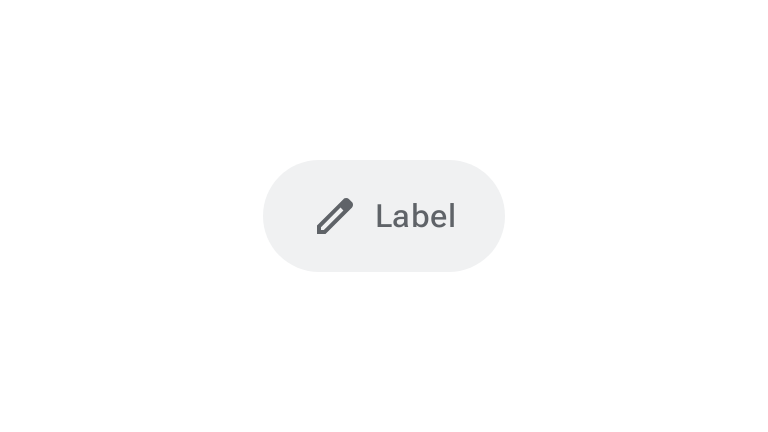
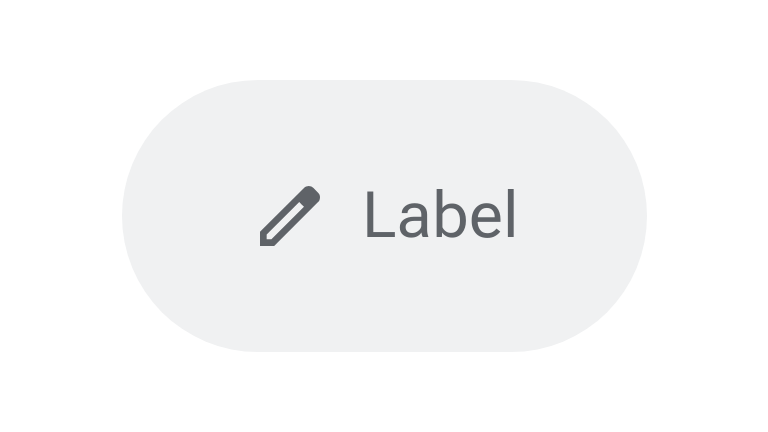
@Composable fun XSmallButtonWithIconSample() { val size = ButtonDefaults.ExtraSmallContainerHeight Button( onClick = { /* Do something! */ }, modifier = Modifier.heightIn(size), contentPadding = ButtonDefaults.contentPaddingFor(size, hasStartIcon = true), ) { Icon( painter = rememberVectorPainter(AppIcons.EditFilled), contentDescription = null, modifier = Modifier.size(ButtonDefaults.iconSizeFor(size)), ) Spacer(Modifier.size(ButtonDefaults.iconSpacingFor(size))) Text("Label") } }
Toggle button
The following snippet demonstrates how to implement an extra small toggle button with an icon:
@Composable fun XSmallToggleButtonWithIconSample() { var checked by remember { mutableStateOf(false) } val size = ButtonDefaults.ExtraSmallContainerHeight ToggleButton( checked = checked, onCheckedChange = { checked = it }, modifier = Modifier.heightIn(size), shapes = ToggleButtonDefaults.shapesFor(size), contentPadding = ButtonDefaults.contentPaddingFor(size), ) { Icon( painter = rememberVectorPainter(if (checked) AppIcons.EditFilled else AppIcons.Edit), contentDescription = null, modifier = Modifier.size(ButtonDefaults.iconSizeFor(size)), ) Spacer(Modifier.size(ButtonDefaults.iconSpacingFor(size))) Text("Label") } }
Medium
Medium button measurements:
- Height: 56dp
Default button
The following snippet demonstrates how to implement a medium button with an icon:
@Composable fun MediumButtonWithIconSample() { val size = ButtonDefaults.MediumContainerHeight Button( onClick = { /* Do something! */ }, modifier = Modifier.heightIn(size), contentPadding = ButtonDefaults.contentPaddingFor(size, hasStartIcon = true), ) { Icon( painter = rememberVectorPainter(AppIcons.EditFilled), contentDescription = null, modifier = Modifier.size(ButtonDefaults.iconSizeFor(size)), ) Spacer(Modifier.size(ButtonDefaults.iconSpacingFor(size))) Text("Label", style = ButtonDefaults.textStyleFor(size)) } }
Toggle button
The following snippet demonstrates how to implement a medium toggle button with an icon:
@Composable fun MediumToggleButtonWithIconSample() { var checked by remember { mutableStateOf(false) } val size = ButtonDefaults.MediumContainerHeight ToggleButton( checked = checked, onCheckedChange = { checked = it }, modifier = Modifier.heightIn(size), shapes = ToggleButtonDefaults.shapesFor(size), contentPadding = ButtonDefaults.contentPaddingFor(size), ) { Icon( painter = rememberVectorPainter(if (checked) AppIcons.EditFilled else AppIcons.Edit), contentDescription = null, modifier = Modifier.size(ButtonDefaults.iconSizeFor(size)), ) Spacer(Modifier.size(ButtonDefaults.iconSpacingFor(size))) Text("Label", style = ButtonDefaults.textStyleFor(size)) } }
Large
Large button measurements:
- Height: 96dp
Default button
The following snippet demonstrates how to implement a large button with an icon:
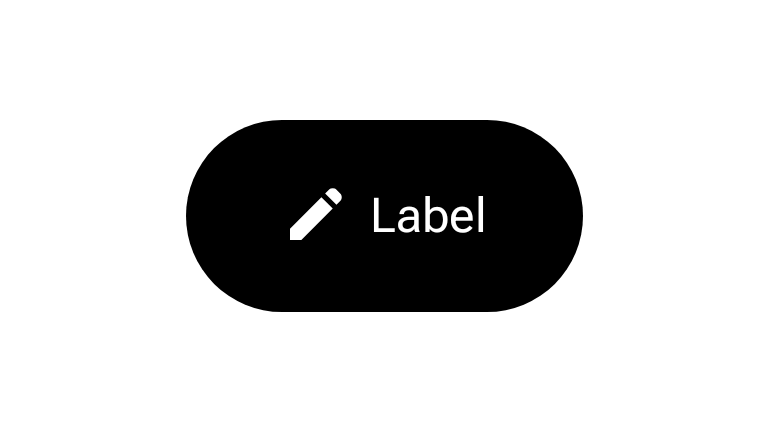
@Composable fun LargeButtonWithIconSample() { val size = ButtonDefaults.LargeContainerHeight Button( onClick = { /* Do something! */ }, modifier = Modifier.heightIn(size), contentPadding = ButtonDefaults.contentPaddingFor(size, hasStartIcon = true), ) { Icon( painter = rememberVectorPainter(AppIcons.EditFilled), contentDescription = null, modifier = Modifier.size(ButtonDefaults.iconSizeFor(size)), ) Spacer(Modifier.size(ButtonDefaults.iconSpacingFor(size))) Text("Label", style = ButtonDefaults.textStyleFor(size)) } }
Toggle button
The following snippet demonstrates how to implement a large toggle button with an icon:
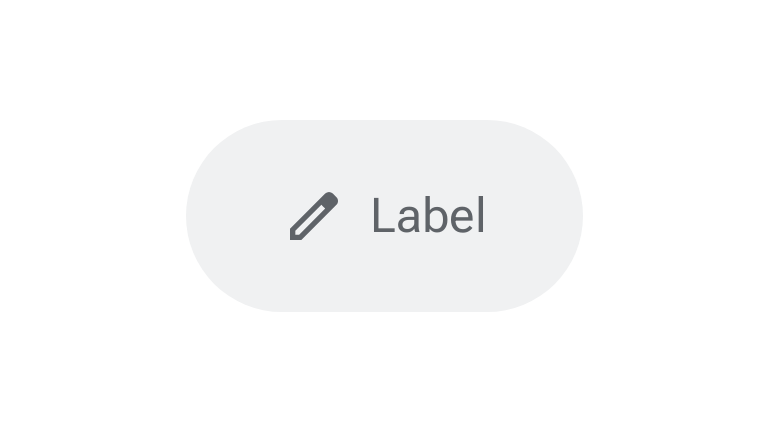
@Composable fun LargeToggleButtonWithIconSample() { var checked by remember { mutableStateOf(false) } val size = ButtonDefaults.LargeContainerHeight ToggleButton( checked = checked, onCheckedChange = { checked = it }, modifier = Modifier.heightIn(size), shapes = ToggleButtonDefaults.shapesFor(size), contentPadding = ButtonDefaults.contentPaddingFor(size), ) { Icon( painter = rememberVectorPainter(if (checked) AppIcons.EditFilled else AppIcons.Edit), contentDescription = null, modifier = Modifier.size(ButtonDefaults.iconSizeFor(size)), ) Spacer(Modifier.size(ButtonDefaults.iconSpacingFor(size))) Text("Label", style = ButtonDefaults.textStyleFor(size)) } }
Extra large
Extra large button measurements:
- Height: 136dp
Default button
The following snippet demonstrates how to implement an extra large button with an icon:
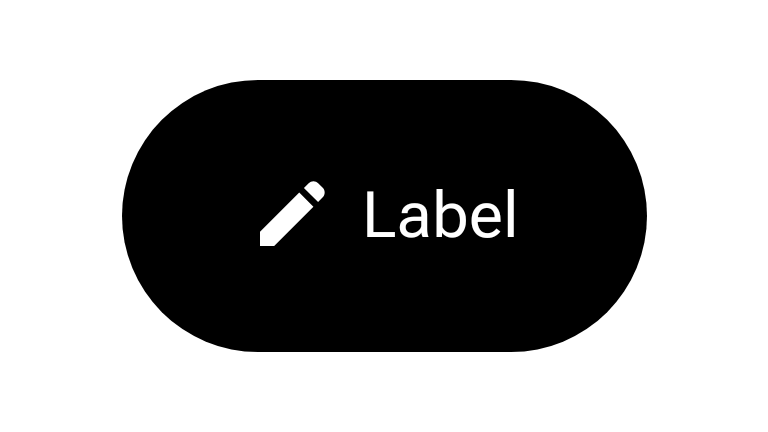
@Composable fun XLargeButtonWithIconSample() { val size = ButtonDefaults.ExtraLargeContainerHeight Button( onClick = { /* Do something! */ }, modifier = Modifier.heightIn(size), contentPadding = ButtonDefaults.contentPaddingFor(size, hasStartIcon = true), ) { Icon( painter = rememberVectorPainter(AppIcons.EditFilled), contentDescription = null, modifier = Modifier.size(ButtonDefaults.iconSizeFor(size)), ) Spacer(Modifier.size(ButtonDefaults.iconSpacingFor(size))) Text("Label", style = ButtonDefaults.textStyleFor(size)) } }
Toggle button
The following snippet demonstrates how to implement an extra large toggle button with an icon:
@Composable fun XLargeToggleButtonWithIconSample() { var checked by remember { mutableStateOf(false) } val size = ButtonDefaults.ExtraLargeContainerHeight ToggleButton( checked = checked, onCheckedChange = { checked = it }, modifier = Modifier.heightIn(size), shapes = ToggleButtonDefaults.shapesFor(size), contentPadding = ButtonDefaults.contentPaddingFor(size), ) { Icon( painter = rememberVectorPainter(if (checked) AppIcons.EditFilled else AppIcons.Edit), contentDescription = null, modifier = Modifier.size(ButtonDefaults.iconSizeFor(size)), ) Spacer(Modifier.size(ButtonDefaults.iconSpacingFor(size))) Text("Label", style = ButtonDefaults.textStyleFor(size)) } }
Shape options
Two shape options are available: square and round.
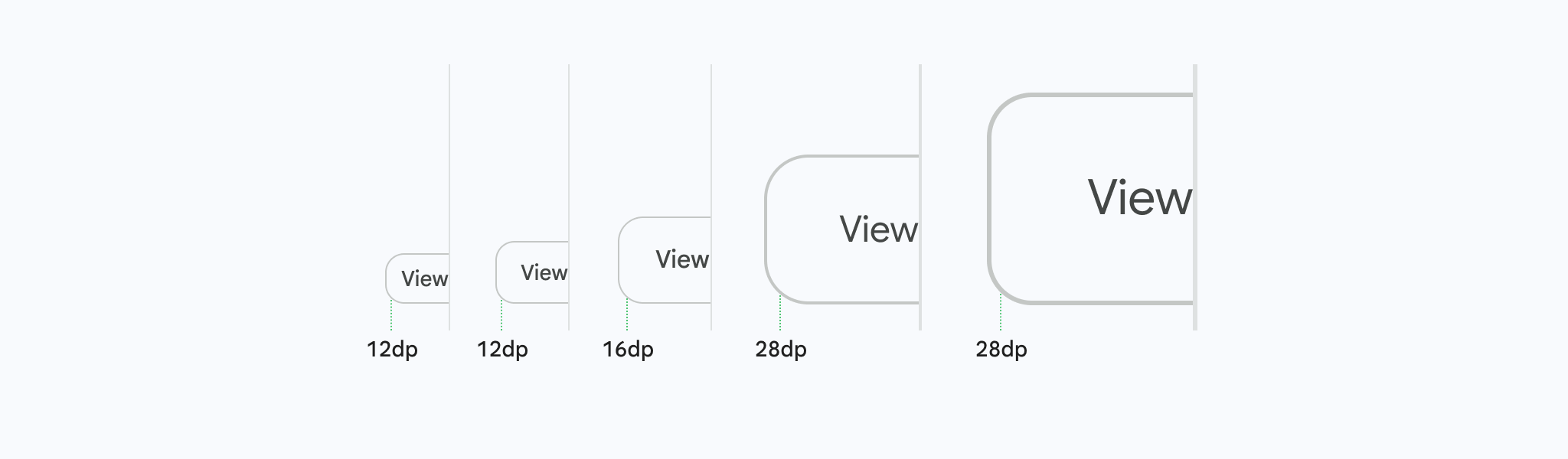
Square buttons have containers with subtle corner rounding that scales based on button size.
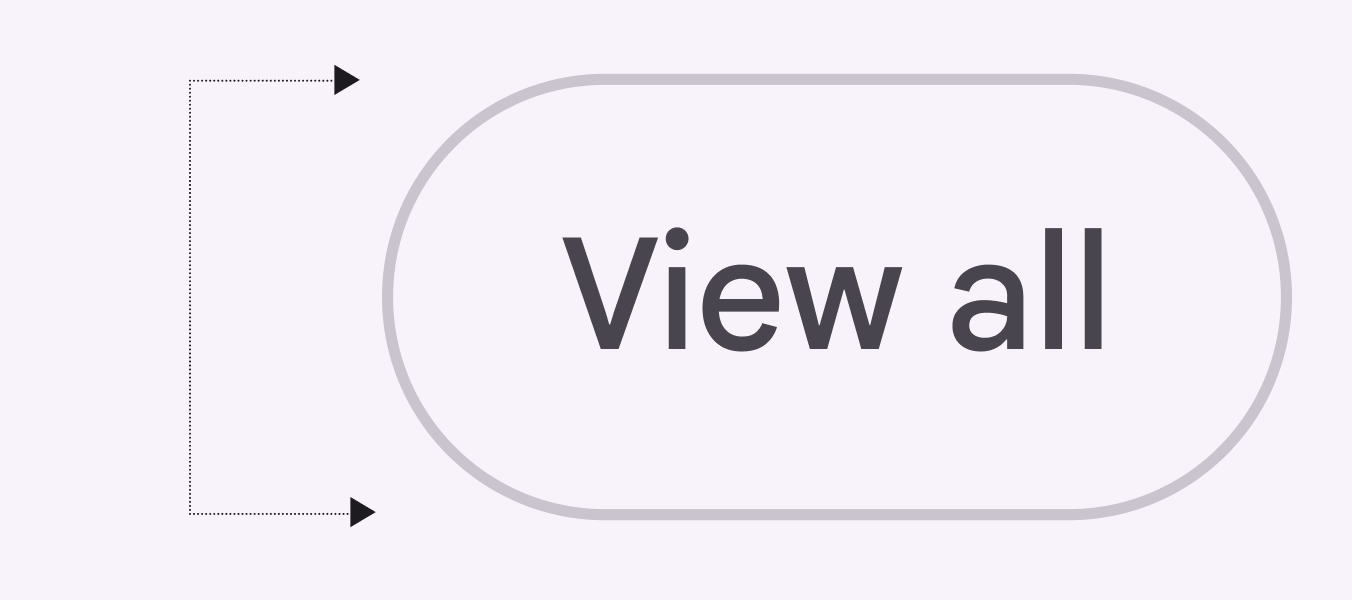
Round button types have containers with fully rounded corners. When checked, a square toggle button's shape changes to round.
The following snippet demonstrates how to implement a square toggle button that changes its shape to round when checked:
@Composable fun SquareToggleButtonSample() { var checked by remember { mutableStateOf(false) } val shapes = ToggleButtonShapes( shape = ToggleButtonDefaults.checkedShape, pressedShape = ToggleButtonDefaults.pressedShape, checkedShape = ToggleButtonDefaults.shape, ) ToggleButton(checked = checked, onCheckedChange = { checked = it }, shapes = shapes) { Text("Button") } }