

Android 16 では、デベロッパー向けに優れた新しい機能と API が導入されました。以下のセクションでは、これらの機能の概要を説明し、関連する API を使い始めるうえで役立つ情報を提供します。
新しい API、変更された API、削除された API の一覧については、API 差分レポートをご覧ください。新しい API について詳しくは、Android API リファレンスをご覧ください。新しい API は、見つけやすいようにハイライト表示されています。また、プラットフォームの変更がアプリに影響する可能性がある領域も確認する必要があります。詳細については、次のページをご覧ください。
コア機能
Android には、Android システムのコア機能を拡張する新しい API が含まれています。
2025 年に 2 つの Android API をリリース
- This preview is for the next major release of Android with a planned launch in Q2 of 2025. This release is similar to all of our API releases in the past, where we can have planned behavior changes that are often tied to a targetSdkVersion.
- We're planning the major release a quarter earlier (Q2 rather than Q3 in prior years) to better align with the schedule of device launches across our ecosystem, so more devices can get the major release of Android sooner. With the major release coming in Q2, you'll need to do your annual compatibility testing a few months earlier than in previous years to make sure your apps are ready.
- We plan to have another release in Q4 of 2025 which also will include new developer APIs. The Q2 major release will be the only release in 2025 to include planned behavior changes that could affect apps.
In addition to new developer APIs, the Q4 minor release will pick up feature updates, optimizations, and bug fixes; it will not include any app-impacting behavior changes.

We'll continue to have quarterly Android releases. The Q1 and Q3 updates in-between the API releases will provide incremental updates to help ensure continuous quality. We're actively working with our device partners to bring the Q2 release to as many devices as possible.
Using new APIs with major and minor releases
Guarding a code block with a check for API level is done today using
the SDK_INT constant with
VERSION_CODES. This will continue
to be supported for major Android releases.
if (SDK_INT >= VERSION_CODES.BAKLAVA) {
  // Use APIs introduced in Android 16
}
The new SDK_INT_FULL
constant can be used for API checks against both major and minor versions with
the new VERSION_CODES_FULL
enumeration.
if (SDK_INT_FULL >= VERSION_CODES_FULL.[MAJOR or MINOR RELEASE]) {
  // Use APIs introduced in a major or minor release
}
You can also use the
Build.getMinorSdkVersion()
method to get just the minor SDK version.
val minorSdkVersion = Build.getMinorSdkVersion(VERSION_CODES_FULL.BAKLAVA)
These APIs have not yet been finalized and are subject to change, so please send us feedback if you have any concerns.
ユーザー エクスペリエンスとシステム UI
Android 16 では、アプリ デベロッパーとユーザーがニーズに合わせてデバイスを構成するための制御と柔軟性が向上しています。
進行状況を中心とした通知
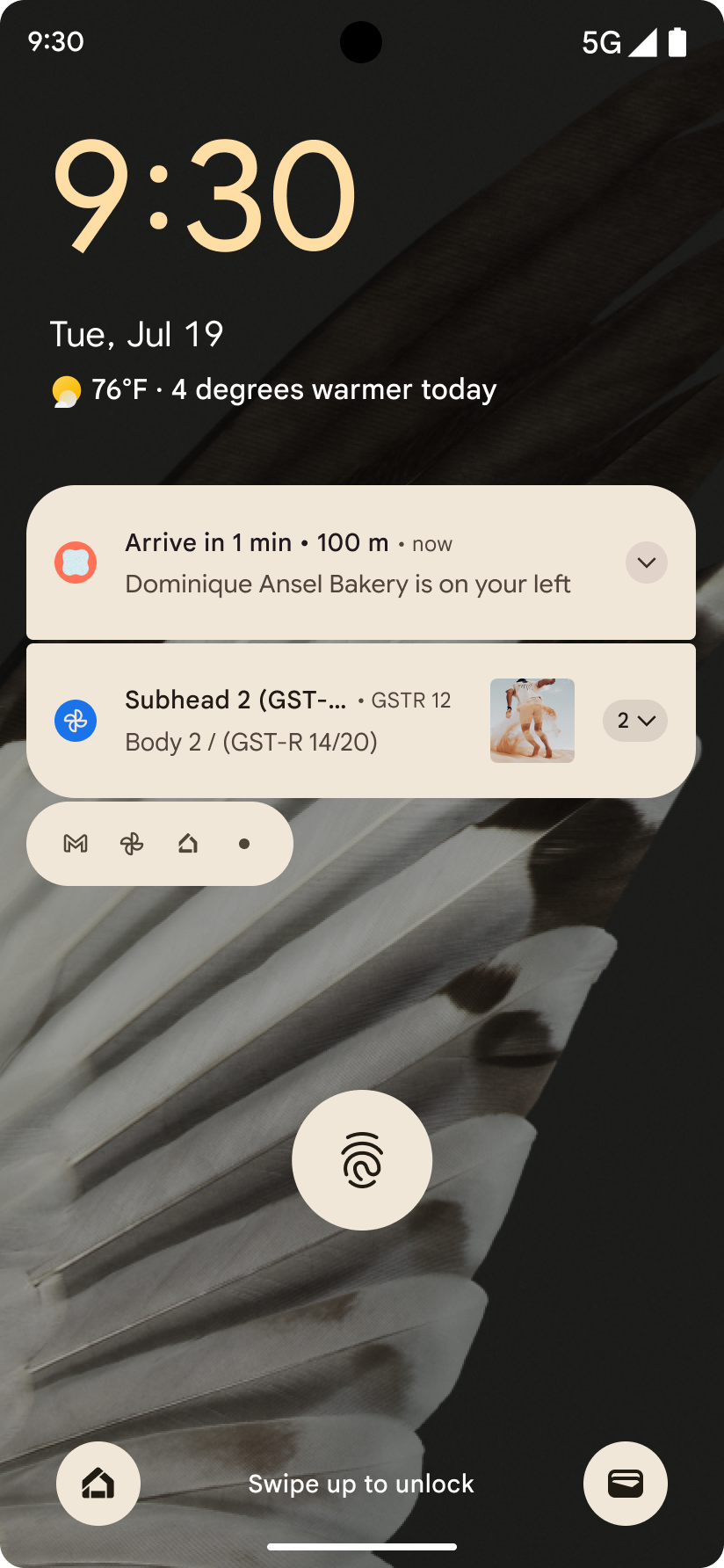
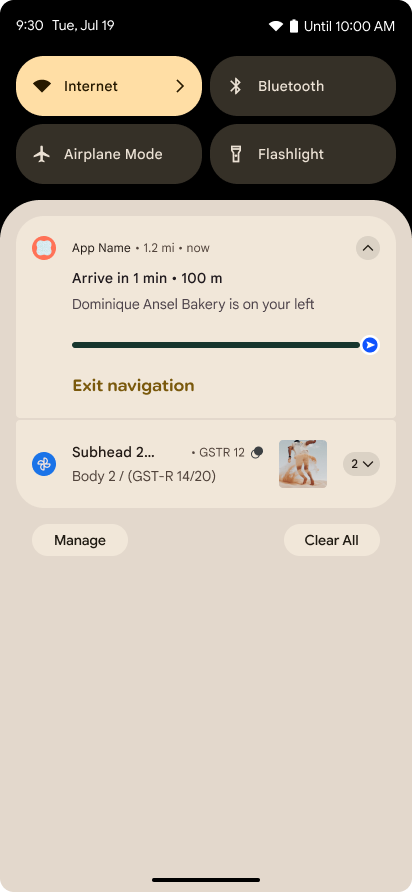
Android 16 では、ユーザーが開始した、最初から最後までのジャーニーをシームレスに追跡できるように、進行状況重視の通知が導入されています。
Notification.ProgressStyle は、進行状況重視の通知を作成できる新しい通知スタイルです。主なユースケースには、乗車シェアリング、配達、ナビゲーションなどがあります。Notification.ProgressStyle クラス内で、ポイントとセグメントを使用して、ユーザー ジャーニー内の状態とマイルストーンを指定できます。
詳細については、進行状況重視の通知のドキュメント ページをご覧ください。
予測型「戻る」のアップデート
Android 16 adds new APIs to help you enable predictive back system animations in
gesture navigation such as the back-to-home animation. Registering the
onBackInvokedCallback with the new
PRIORITY_SYSTEM_NAVIGATION_OBSERVER allows your app to
receive the regular onBackInvoked call whenever the
system handles a back navigation without impacting the normal back navigation
flow.
Android 16 additionally adds the
finishAndRemoveTaskCallback() and
moveTaskToBackCallback. By registering these callbacks
with the OnBackInvokedDispatcher, the system can trigger
specific behaviors and play corresponding ahead-of-time animations when the back
gesture is invoked.
リッチ ハプティクス
Android has exposed control over the haptic actuator ever since its inception.
Android 11 added support for more complex haptic effects that more advanced
actuators could support through
VibrationEffect.Compositions of device-defined semantic
primitives.
Android 16 adds haptic APIs that let apps define the amplitude and frequency curves of a haptic effect while abstracting away differences between device capabilities.
デベロッパーの生産性とツール
生産性を向上させるための取り組みのほとんどは、Android Studio、Jetpack Compose、Android Jetpack ライブラリなどのツールを中心に行われていますが、プラットフォームでビジョンを実現するための方法も常に探しています。
ライブ壁紙のコンテンツ処理
Android 16 では、ライブ壁紙 フレームワークに新しいコンテンツ API が追加され、ユーザー主導の動的壁紙の課題に対処できるようになりました。現在、ユーザー提供のコンテンツを組み込んだライブ壁紙には、サービス固有の複雑な実装が必要です。Android 16 では、WallpaperDescription と WallpaperInstance が導入されています。WallpaperDescription を使用すると、同じサービスからライブ壁紙の個別のインスタンスを識別できます。たとえば、ホーム画面とロック画面の両方にインスタンスがある壁紙には、両方の場所に固有のコンテンツが含まれている場合があります。壁紙選択ツールと WallpaperManager は、このメタデータを使用して壁紙をユーザーに適切に表示し、多様でパーソナライズされたライブ壁紙を作成するためのプロセスを効率化します。
パフォーマンスとバッテリー
Android 16 では、アプリに関する分析情報を収集するのに役立つ API が導入されています。
システム トリガー プロファイリング
ProfilingManager was
added in Android 15, giving apps the ability to
request profiling data collection using Perfetto on public devices in the field.
However, since this profiling must be started from the app, critical flows such
as startups or ANRs would be difficult or impossible for apps to capture.
To help with this, Android 16 introduces system-triggered profiling to
ProfilingManager. Apps can register interest in receiving traces for certain
triggers such as cold start reportFullyDrawn
or ANRs, and then the system starts and stops a trace on the app's behalf. After
the trace completes, the results are delivered to the app's data directory.
ApplicationStartInfo の開始コンポーネント
ApplicationStartInfo は Android 15 で追加されました。これにより、アプリはプロセスの開始理由、開始タイプ、開始時間、スロットリングなどの有用な診断データを確認できるようになりました。Android 16 では、起動をトリガーしたコンポーネントのタイプを区別するために getStartComponent() が追加されました。これは、アプリの起動フローを最適化する際に役立ちます。
ジョブのイントロスペクションの改善
The JobScheduler#getPendingJobReason() API returns a reason why a job
might be pending. However, a job might be pending for multiple reasons.
In Android 16, we are introducing a new API
JobScheduler#getPendingJobReasons(int jobId), which returns multiple
reasons why a job is pending, due to both explicit constraints set by the
developer and implicit constraints set by the system.
We're also introducing
JobScheduler#getPendingJobReasonsHistory(int jobId), which returns a list
of the most recent constraint changes.
We recommend using the API to help you debug why your jobs may not be executing, especially if you're seeing reduced success rates of certain tasks or have bugs around latency of certain job completion. For example, updating widgets in the background failed to occur or prefetch job failed to be called prior to app start.
This can also better help you understand if certain jobs are not completing due to system defined constraints versus explicitly set constraints.
リフレッシュ レートの自動調整
Android 15 で導入されたリフレッシュ レートの自動調整(ARR)により、サポートされているハードウェアのディスプレイのリフレッシュ レートを、個別の VSync ステップを使用してコンテンツのフレームレートに合わせることができます。これにより、消費電力を削減し、ジャンクを引き起こす可能性のあるモード切り替えの必要性を排除できます。
Android 16 では、hasArrSupport() と getSuggestedFrameRate(int) が導入され、getSupportedRefreshRates() が復元されるため、アプリで ARR を簡単に利用できるようになります。RecyclerView 1.4 は、スワイプやスムーズ スクロールからのセットリング時に ARR を内部でサポートしています。Google は、ARR のサポートをさらに多くの Jetpack ライブラリに追加する作業を続けています。こちらのフレームレートに関する記事では、アプリで ARR を直接使用できるようにフレームレートを設定するために使用できる API について説明しています。
ADPF のヘッドルーム API
The SystemHealthManager introduces the
getCpuHeadroom and
getGpuHeadroom APIs, designed to provide games and
resource-intensive apps with estimates of available CPU and GPU resources. These
methods offer a way for you to gauge how your app or game can best improve
system health, particularly when used in conjunction with other Android Dynamic
Performance Framework (ADPF) APIs that detect thermal
throttling.
By using CpuHeadroomParams and
GpuHeadroomParams on supported devices, you can
customize the time window used to compute the headroom and select between
average or minimum resource availability. This can help you reduce your CPU or
GPU resource usage accordingly, leading to better user experiences and improved
battery life.
ユーザー補助
Android 16 では、すべてのユーザーにアプリを提供するために役立つ新しいユーザー補助 API と機能が追加されています。
Accessibility API の改善
Android 16 adds additional APIs to enhance UI semantics that help improve consistency for users that rely on accessibility services, such as TalkBack.
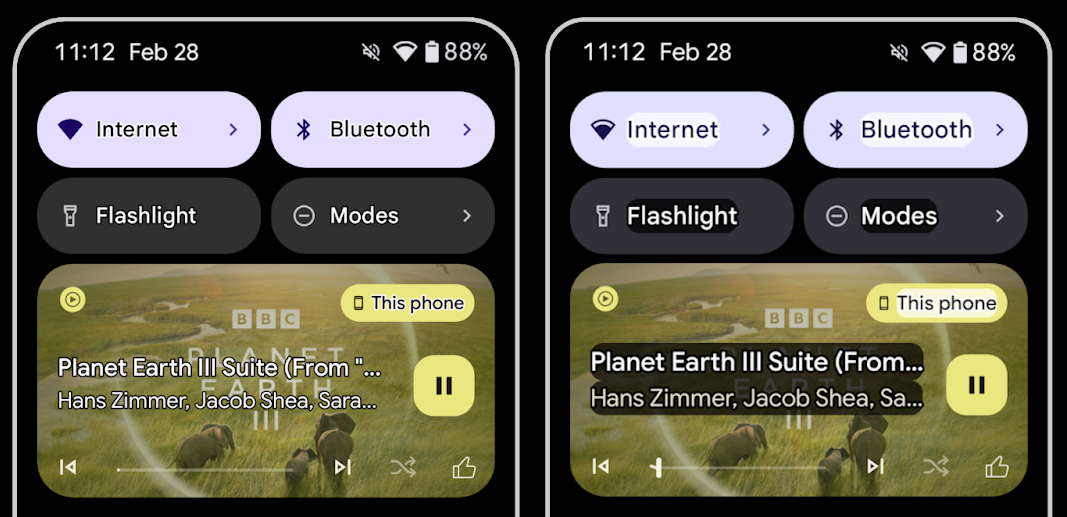
Outline text for maximum text contrast
Users with low vision often have reduced contrast sensitivity, making it challenging to distinguish objects from their backgrounds. To help these users, Android 16 introduces outline text, replacing high contrast text, which draws a larger contrasting area around text to greatly improve legibility.
Android 16 contains new AccessibilityManager APIs to let
your apps check or register a listener to
see if this mode is enabled. This is primarily for UI Toolkits like Compose to
offer a similar visual experience. If you maintain a UI Toolkit library or your
app performs custom text rendering that bypasses the
android.text.Layout class then you can use this to know
when outline text is enabled.
Duration added to TtsSpan
Android 16 extends TtsSpan with a TYPE_DURATION,
consisting of ARG_HOURS, ARG_MINUTES,
and ARG_SECONDS. This lets you directly annotate time
duration, ensuring accurate and consistent text-to-speech output with services
like TalkBack.
Support elements with multiple labels
Android currently allows UI elements to derive their accessibility label from
another, and now offers the ability for multiple labels to be associated, a
common scenario in web content. By introducing a list-based API within
AccessibilityNodeInfo, Android can directly support these
multi-label relationships. As part of this change, we've deprecated
AccessibilityNodeInfo#setLabeledBy and
#getLabeledBy in favor of
#addLabeledBy, #removeLabeledBy, and
#getLabeledByList.
Improved support for expandable elements
Android 16 adds accessibility APIs that allow you to convey the expanded or
collapsed state of interactive elements, such as menus and expandable lists. By
setting the expanded state using setExpandedState and
dispatching TYPE_WINDOW_CONTENT_CHANGED AccessibilityEvents
with a CONTENT_CHANGE_TYPE_EXPANDED content change type,
you can ensure that screen readers like TalkBack announce
state changes, providing a more intuitive and inclusive user experience.
Indeterminate ProgressBars
Android 16 adds RANGE_TYPE_INDETERMINATE, giving a way for
you to expose RangeInfo for both determinate and
indeterminate ProgressBar widgets, allowing services like
TalkBack to more consistently provide feedback for progress
indicators.
Tri-state CheckBox
The new AccessibilityNodeInfo
getChecked and setChecked(int)
methods in Android 16 now support a "partially checked" state in addition to
"checked" and "unchecked." This replaces the deprecated boolean
isChecked and setChecked(boolean).
Supplemental descriptions
When an accessibility service describes a ViewGroup, it
combines content labels from its child views. If you provide a
contentDescription for the ViewGroup, accessibility services assume you are
also overriding the description of non-focusable child views. This can be
problematic if you want to label things like a drop-down (for example, "Font
Family") while preserving the current selection for accessibility (for example,
"Roboto"). Android 16 adds setSupplementalDescription so
you can provide text that provides information about a ViewGroup without
overriding information from its children.
Required form fields
Android 16 adds setFieldRequired to
AccessibilityNodeInfo so apps can tell an accessibility
service that input to a form field is required. This is an important scenario
for users filling out many types of forms, even things as simple as a required
terms and conditions checkbox, helping users to consistently identify and
quickly navigate between required fields.
LEA 補聴器を使用した音声通話で、スマートフォンのマイクを入力として使用
Android 16 では、LE Audio 補聴器のユーザーが、音声通話で補聴器の組み込みマイクとスマートフォンのマイクを切り替えられる機能が追加されています。これは、騒がしい環境や、補聴器のマイクがうまく機能しない可能性があるその他の状況で役立ちます。
LEA 補聴器の周囲の音の調整
Android 16 では、LE Audio 補聴器のユーザーが、補聴器のマイクによって拾われる周囲の音の音量を調整できる機能が追加されました。これは、背景のノイズがうるさすぎる場合や静かすぎる場合に役立ちます。
カメラ
Android 16 では、プロのカメラユーザー向けのサポートが強化され、ハイブリッド自動露出と、色温度と色合いの正確な調整が可能になります。新しいナイトモード インジケーターにより、アプリはナイトモードのカメラ セッションへの切り替えのタイミングを把握できます。新しい Intent アクションにより、モーション フォトを簡単に撮影できるようになりました。また、HEIC エンコードと ISO 21496-1 ドラフト標準の新しいパラメータのサポートにより、UltraHDR 画像の改善も継続して行っています。
ハイブリッド自動露出
Android 16 adds new hybrid auto-exposure modes to Camera2, allowing you to manually control specific aspects of exposure while letting the auto-exposure (AE) algorithm handle the rest. You can control ISO + AE, and exposure time + AE, providing greater flexibility compared to the current approach where you either have full manual control or rely entirely on auto-exposure.
fun setISOPriority() {
    // ... (Your existing code before the snippet) ...

    val availablePriorityModes = mStaticInfo.characteristics.get(
        CameraCharacteristics.CONTROL_AE_AVAILABLE_PRIORITY_MODES
    )

    // ... (Your existing code between the snippets) ...

    // Turn on AE mode to set priority mode
    reqBuilder.set(
        CaptureRequest.CONTROL_AE_MODE,
        CameraMetadata.CONTROL_AE_MODE_ON
    )
    reqBuilder.set(
        CaptureRequest.CONTROL_AE_PRIORITY_MODE,
        CameraMetadata.CONTROL_AE_PRIORITY_MODE_SENSOR_SENSITIVITY_PRIORITY
    )
    reqBuilder.set(
        CaptureRequest.SENSOR_SENSITIVITY,
        TEST_SENSITIVITY_VALUE
    )
    val request: CaptureRequest = reqBuilder.build()

    // ... (Your existing code after the snippet) ...
}
色温度と色合いを正確に調整
Android 16 adds camera support for fine color temperature and tint adjustments
to better support professional video recording applications. In previous Android
versions, you could control white balance settings through
CONTROL_AWB_MODE, which contains options limited to a
preset list, such as Incandescent,
Cloudy, and Twilight. The
COLOR_CORRECTION_MODE_CCT enables the use of
COLOR_CORRECTION_COLOR_TEMPERATURE and
COLOR_CORRECTION_COLOR_TINT for precise adjustments of
white balance based on the correlated color temperature.
fun setCCT() {
    // ... (Your existing code before this point) ...

    val colorTemperatureRange: Range<Int> =
        mStaticInfo.characteristics[CameraCharacteristics.COLOR_CORRECTION_COLOR_TEMPERATURE_RANGE]

    // Set to manual mode to enable CCT mode
    reqBuilder[CaptureRequest.CONTROL_AWB_MODE] = CameraMetadata.CONTROL_AWB_MODE_OFF
    reqBuilder[CaptureRequest.COLOR_CORRECTION_MODE] = CameraMetadata.COLOR_CORRECTION_MODE_CCT
    reqBuilder[CaptureRequest.COLOR_CORRECTION_COLOR_TEMPERATURE] = 5000
    reqBuilder[CaptureRequest.COLOR_CORRECTION_COLOR_TINT] = 30

    val request: CaptureRequest = reqBuilder.build()

    // ... (Your existing code after this point) ...
}
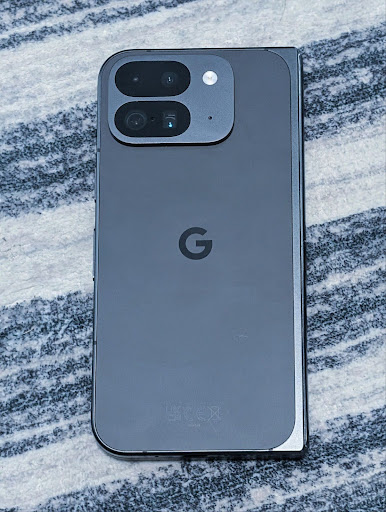
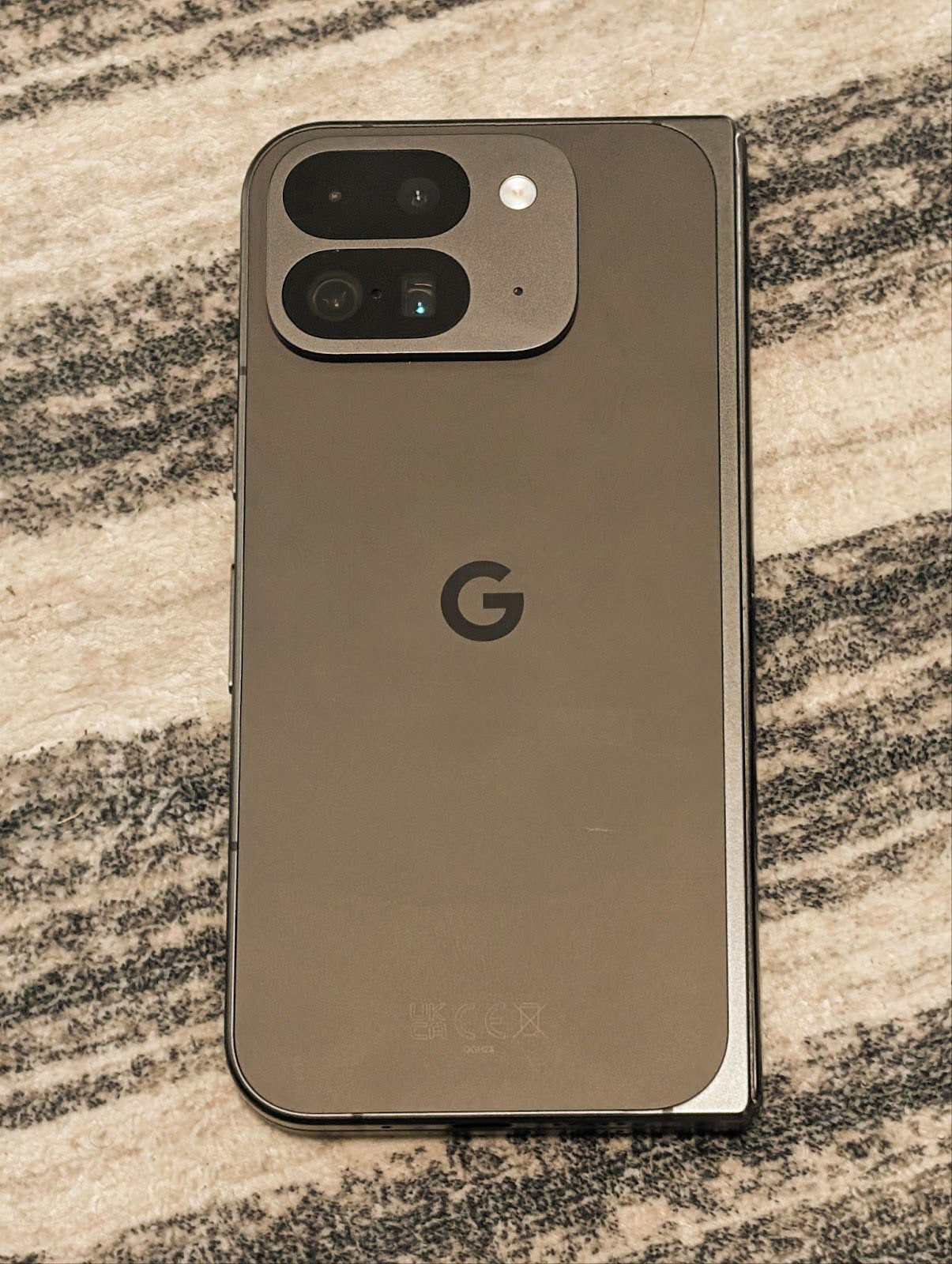
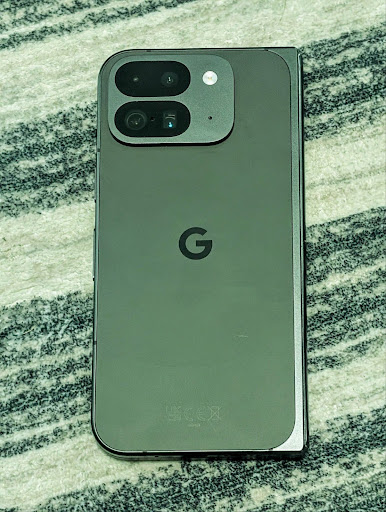
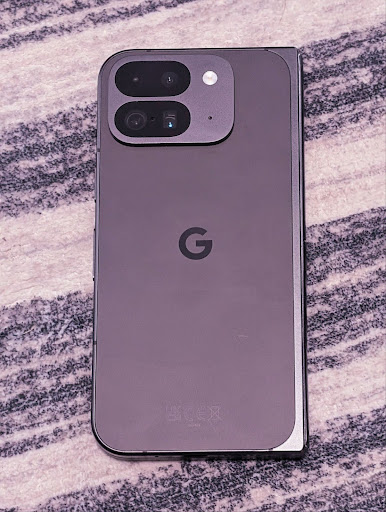
The following examples show how a photo would look after applying different color temperature and tint adjustments:
カメラの夜間モードのシーン検出
夜間モードのカメラ セッションとの切り替えタイミングをアプリが把握できるように、Android 16 では EXTENSION_NIGHT_MODE_INDICATOR が追加されました。サポートされている場合は、Camera2 内の CaptureResult で使用できます。
これは、Instagram でユーザーが美しい低照度写真を撮影できるようにした方法に関するブログ投稿で、近日提供予定として簡単に言及した API です。この投稿は、夜間モードを実装する方法に関する実用的なガイドです。また、アプリ内カメラで撮影された高画質の夜間モードの写真と、アプリ内カメラから共有される写真数の増加を結びつけるケーススタディも掲載されています。
モーション フォトのキャプチャ インテント アクション
Android 16 adds standard Intent actions —
ACTION_MOTION_PHOTO_CAPTURE, and
ACTION_MOTION_PHOTO_CAPTURE_SECURE — which request that
the camera application capture a motion photo and return
it.
You must either pass an extra EXTRA_OUTPUT to control
where the image will be written, or a Uri through
Intent.setClipData(ClipData). If you don't set a
ClipData, it will be copied there for you when calling
Context.startActivity(Intent).
ウルトラ HDR 画像の拡張
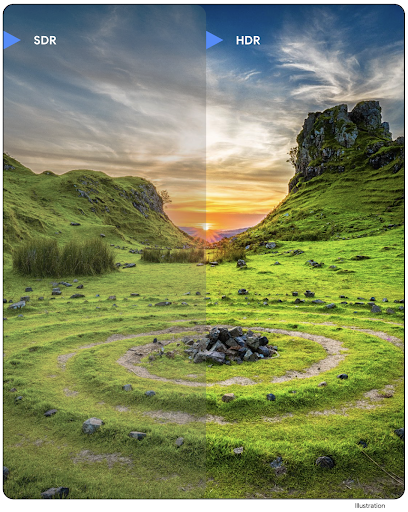
Android 16 continues our work to deliver dazzling image quality with UltraHDR
images. It adds support for UltraHDR images in the HEIC file
format. These images will get ImageFormat type
HEIC_ULTRAHDR and will contain an embedded gainmap similar
to the existing UltraHDR JPEG format. We're working on AVIF support for UltraHDR
as well, so stay tuned.
In addition, Android 16 implements additional parameters in UltraHDR from the ISO 21496-1 draft standard, including the ability to get and set the colorspace that gainmap math should be applied in, as well as support for HDR encoded base images with SDR gainmaps.
グラフィック
Android 16 には、AGSL を使用したカスタム グラフィック効果など、最新のグラフィックの改善が含まれています。
AGSL を使用したカスタム グラフィック効果
Android 16 adds RuntimeColorFilter and
RuntimeXfermode, allowing you to author complex effects like
Threshold, Sepia, and Hue Saturation and apply them to draw calls. Since Android
13, you've been able to use AGSL to create custom
RuntimeShaders that extend Shader. The new API
mirrors this, adding an AGSL-powered RuntimeColorFilter that
extends ColorFilter, and a Xfermode effect that
lets you implement AGSL-based custom compositing and blending between source and
destination pixels.
private val thresholdEffectString = """
    uniform half threshold;

    half4 main(half4 c) {
        half luminosity = dot(c.rgb, half3(0.2126, 0.7152, 0.0722));
        half bw = step(threshold, luminosity);
        return bw.xxx1 * c.a;
    }"""

fun setCustomColorFilter(paint: Paint) {
   val filter = RuntimeColorFilter(thresholdEffectString)
   filter.setFloatUniform(0.5);
   paint.colorFilter = filter
}
接続
Android 16 では、プラットフォームがアップデートされ、アプリで最新の通信技術やワイヤレス技術を利用できるようになります。
セキュリティ強化による測距
Android 16 では、Wi-Fi 6 の 802.11az を搭載したサポート対象デバイスの Wi-Fi 位置情報で堅牢なセキュリティ機能がサポートされるようになりました。これにより、アプリは、プロトコルの精度、スケーラビリティ、動的スケジューリングの向上と、AES-256 ベースの暗号化や MITM 攻撃からの保護などのセキュリティ強化を組み合わせることができます。これにより、ノートパソコンや車のドアのロック解除など、近接型のユースケースでより安全に使用できます。802.11az は Wi-Fi 6 規格と統合されており、そのインフラストラクチャと機能を活用することで、より広範な導入とより簡単なデプロイを実現します。
汎用的な距離測定 API
Android 16 includes the new RangingManager, which provides
ways to determine the distance and angle on supported hardware between the local
device and a remote device. RangingManager supports the usage of a variety of
ranging technologies such as BLE channel sounding, BLE RSSI-based ranging, Ultra
Wideband, and Wi-Fi round trip time.
コンパニオン デバイス マネージャーのデバイスの存在
Android 16 では、コンパニオン アプリ サービスをバインドするための新しい API が導入されています。BLE が範囲内にあり、Bluetooth が接続されている場合はサービスがバインドされ、BLE が範囲外にあるか Bluetooth が接続されていない場合はサービスがバインド解除されます。アプリは、さまざまな DevicePresenceEvent に基づいて、新しい onDevicePresenceEvent() コールバックを受け取ります。詳しくは、'startObservingDevicePresence(ObservingDevicePresenceRequest)' をご覧ください。
メディア
Android 16 には、メディア エクスペリエンスを向上させるさまざまな機能が含まれています。
写真選択ツールの改善
The photo picker provides a safe, built-in way for users to grant your app access to selected images and videos from both local and cloud storage, instead of their entire media library. Using a combination of Modular System Components through Google System Updates and Google Play services, it's supported back to Android 4.4 (API level 19). Integration requires just a few lines of code with the associated Android Jetpack library.
Android 16 includes the following improvements to the photo picker:
- Embedded photo picker: New APIs that enable apps to embed the photo picker into their view hierarchy. This allows it to feel like a more integrated part of the app while still leveraging the process isolation that allows users to select media without the app needing overly broad permissions. To maximize compatibility across platform versions and simplify your integration, you'll want to use the forthcoming Android Jetpack library if you want to integrate the embedded photo picker.
- Cloud search in photo picker: New APIs that enable searching from the cloud media provider for the Android photo picker. Search functionality in the photo picker is coming soon.
高度なプロフェッショナル動画
Android 16 では、プロレベルの高品質な動画の撮影とポストプロダクションに使用するように設計された Advanced Professional Video(APV)コーデックのサポートが導入されています。
APV コーデック標準には次の機能があります。
- 知覚的に損失のない動画品質(RAW 動画品質に近い)
- 複雑さが低く、スループットの高いフレーム内のみのコーディング(ピクセル ドメイン予測なし)により、編集ワークフローをより適切にサポート
- 軽量エントロピー コーディング スキームにより、2K、4K、8K 解像度のコンテンツで最大数 Gbps の高ビットレート範囲をサポート
- 没入型コンテンツと並列エンコードとデコードを可能にするフレーム タイリング
- さまざまなクロマ サンプリング形式とビット深度のサポート
- 画質の大幅な低下なしで複数のデコードと再エンコードをサポート
- マルチビュー動画と補助動画(深度、アルファ、プレビューなど)をサポートする
- HDR10/10+ とユーザー定義メタデータのサポート
APV のリファレンス実装は、OpenAPV プロジェクトで提供されています。Android 16 では、10 ビット エンコードと最大 2 Gbps のターゲット ビットレートを備えた YUV 422 カラー サンプリングを提供する APV 422-10 プロファイルのサポートが実装されます。
プライバシー
Android 16 には、アプリ デベロッパーがユーザーのプライバシーを保護するのに役立つさまざまな機能が含まれています。
ヘルスコネクトの更新
ヘルスコネクトに ACTIVITY_INTENSITY が追加されました。これは、中程度および激しいアクティビティに関する世界保健機関のガイドラインに従って定義されたデータ型です。各レコードには、開始時間、終了時間、アクティビティの強度(中程度または激しい)が必要です。
ヘルスコネクトには、医療記録をサポートする更新された API も含まれています。これにより、アプリはユーザーの明示的な同意を得て、FHIR 形式の医療記録の読み取りと書き込みを行うことができます。
Android 版プライバシー サンドボックス
Android 16 incorporates the latest version of the Privacy Sandbox on Android, part of our ongoing work to develop technologies where users know their privacy is protected. Our website has more about the Privacy Sandbox on Android developer beta program to help you get started. Check out the SDK Runtime which allows SDKs to run in a dedicated runtime environment separate from the app they are serving, providing stronger safeguards around user data collection and sharing.
セキュリティ
Android 16 には、アプリのセキュリティを強化し、アプリのデータを保護するのに役立つ機能が含まれています。
キー共有 API
Android 16 では、Android Keystore キーへのアクセスを他のアプリと共有する API が追加されています。新しい KeyStoreManager クラスは、アプリの uid による鍵へのアクセスの付与と取り消しをサポートし、アプリが共有鍵にアクセスするための API が含まれています。
デバイスのフォーム ファクタ
Android 16 では、Android のフォーム ファクタを最大限に活用するためのサポートがアプリに提供されます。
テレビの画質と音質の標準化されたフレームワーク
The new MediaQuality
package in Android 16 exposes
a set of standardized APIs for access to audio and picture profiles and
hardware-related settings. This allows streaming apps to query profiles and
apply them to media dynamically:
- Movies mastered with a wider dynamic range require greater color accuracy to see subtle details in shadows and adjust to ambient light, so a profile that prefers color accuracy over brightness may be appropriate.
- Live sporting events are often mastered with a narrow dynamic range, but are often watched in daylight, so a profile that preferences brightness over color accuracy can give better results.
- Fully interactive content wants minimal processing to reduce latency, and wants higher frame rates, which is why many TV's ship with a game profile.
The API allows apps to switch between profiles and users to enjoy tuning supported TVs to best suit their content.
多言語対応
Android 16 では、デバイスが異なる言語で使用される場合のユーザー エクスペリエンスを補完する機能が追加されています。
縦書きテキスト
Android 16 では、テキストの垂直方向のレンダリングと測定に対する低レベルのサポートが追加され、ライブラリ デベロッパー向けの基本的な垂直書き込みサポートが提供されます。これは、縦書きが一般的である日本語などの言語で特に便利です。Paint クラスに新しいフラグ VERTICAL_TEXT_FLAG が追加されました。このフラグが Paint.setFlags を使用して設定されている場合、Paint のテキスト測定 API は水平方向の移動ではなく垂直方向の移動を報告し、Canvas はテキストを垂直方向に描画します。
val text = "「春は、曙。」"
Box(
    Modifier.padding(innerPadding).background(Color.White).fillMaxSize().drawWithContent {
        drawIntoCanvas { canvas ->
            val paint = Paint().apply { textSize = 64.sp.toPx() }
            // Draw text vertically
            paint.flags = paint.flags or VERTICAL_TEXT_FLAG
            val height = paint.measureText(text)
            canvas.nativeCanvas.drawText(
                text,
                0,
                text.length,
                size.width / 2,
                (size.height - height) / 2,
                paint
            )
        }
    }
) {}
測定単位のカスタマイズ
Users can now customize their measurement system in regional preferences within
Settings. The user preference is included as part of the locale code, so you can
register a BroadcastReceiver on
ACTION_LOCALE_CHANGED to handle locale configuration changes when
regional preferences change.
Using formatters can help match the local experience. For example, "0.5 in" in English (United States), is "12,7 mm" for a user who has set their phone to English (Denmark) or who uses their phone in English (United States) with the metric system as the measurement system preference.
To find these settings, open the Settings app and navigate to System > Languages & region.