

Android 16, geliştiriciler için harika yeni özellikler ve API'ler sunuyor. Aşağıdaki bölümlerde, ilgili API'leri kullanmaya başlamanıza yardımcı olmak için bu özellikler özetlenmiştir.
Yeni, değiştirilmiş ve kaldırılmış API'lerin ayrıntılı listesi için API farklılıkları raporunu inceleyin. Yeni API'lerle ilgili ayrıntılar için Android API referansını ziyaret edin. Yeni API'ler görünürlük için vurgulanmıştır.Platform değişikliklerinin uygulamalarınızı etkileyebileceği alanları da incelemeniz gerekir. Daha fazla bilgi için aşağıdaki sayfalara göz atın:
- Uygulamalar Android 16'yı hedeflediğinde etkileyen davranış değişiklikleri
targetSdkVersiondeğerinden bağımsız olarak tüm uygulamaları etkileyen davranış değişiklikleri.
Temel işlevler
Android, Android sisteminin temel özelliklerini genişleten yeni API'ler içerir.
2025'te iki Android API sürümü
- Bu önizleme, 2025'in 2. çeyreğinde kullanıma sunulması planlanan Android'in bir sonraki büyük sürümüdür. Bu sürüm, geçmişteki tüm API sürümlerimize benzer. Bu sürümlerde genellikle bir targetSdkVersion ile ilişkili planlı davranış değişiklikleri yapabiliriz.
- Ekosistemimizdeki cihaz lansmanlarının planıyla daha uyumlu olması için ana sürümü bir çeyrek daha erken (önceki yıllardaki 3. çeyrek yerine 2. çeyrek) yayınlamayı planlıyoruz. Böylece daha fazla cihaz, Android'in ana sürümünü daha erken alabilir. 2. çeyrekte büyük bir sürüm kullanıma sunulacak. Bu nedenle, uygulamalarınızın hazır olduğundan emin olmak için yıllık uyumluluk testinizi önceki yıllara kıyasla birkaç ay daha erken yapmanız gerekir.
- 2025'in 4. çeyreğinde yeni geliştirici API'lerini de içerecek başka bir sürüm yayınlamayı planlıyoruz. 2025'te uygulamaları etkileyebilecek planlı davranış değişikliklerini içeren tek sürüm, 2. çeyrek ana sürümü olacaktır.
4. çeyrek küçük sürümünde, yeni geliştirici API'lerinin yanı sıra özellik güncellemeleri, optimizasyonlar ve hata düzeltmeleri yer alacak. Uygulamayı etkileyen davranış değişiklikleri bu sürüme dahil edilmeyecektir.
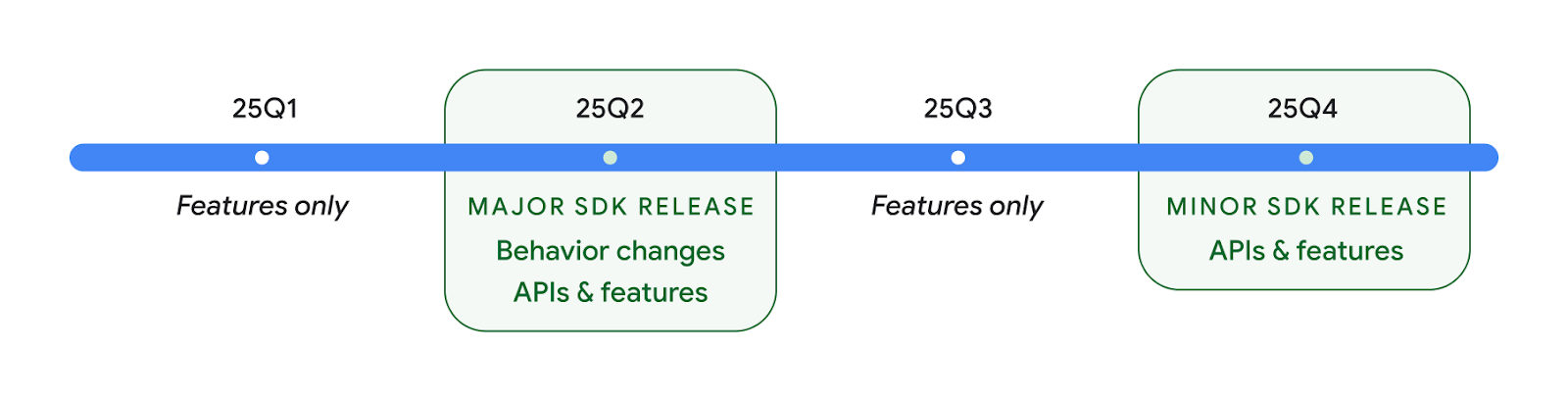
Android sürümlerini üç ayda bir yayınlamaya devam edeceğiz. API sürümleri arasındaki 1. ve 3. çeyrek güncellemeleri, sürekli kaliteyi sağlamaya yardımcı olacak artımlı güncellemeler sunar. 2. çeyrek sürümünü mümkün olduğunca fazla cihazda kullanıma sunmak için cihaz iş ortaklarımızla etkin bir şekilde çalışıyoruz.
Büyük ve küçük sürümlerde yeni API'leri kullanma
API düzeyi kontrolü içeren bir kod bloğunu korumak için günümüzde VERSION_CODES ile SDK_INT sabitinin kullanılması gerekir. Bu özellik, önemli Android sürümlerinde desteklenmeye devam edecektir.
if (SDK_INT >= VERSION_CODES.BAKLAVA) {
  // Use APIs introduced in Android 16
}
Yeni SDK_INT_FULL sabit değeri, yeni VERSION_CODES_FULL enumeration ile hem büyük hem de küçük sürümlere karşı API kontrolleri için kullanılabilir.
if (SDK_INT_FULL >= VERSION_CODES_FULL.[MAJOR or MINOR RELEASE]) {
  // Use APIs introduced in a major or minor release
}
Yalnızca küçük SDK sürümünü almak için Build.getMinorSdkVersion() yöntemini de kullanabilirsiniz.
val minorSdkVersion = Build.getMinorSdkVersion(VERSION_CODES_FULL.BAKLAVA)
Bu API'ler henüz nihai hâle getirilmedi ve değişiklik yapılabilir. Bu nedenle, endişeleriniz varsa lütfen bize geri bildirim gönderin.
Kullanıcı deneyimi ve sistem arayüzü
Android 16, uygulama geliştiricilere ve kullanıcılara cihazlarını ihtiyaçlarına göre yapılandırma konusunda daha fazla kontrol ve esneklik sunar.
İlerleme odaklı bildirimler
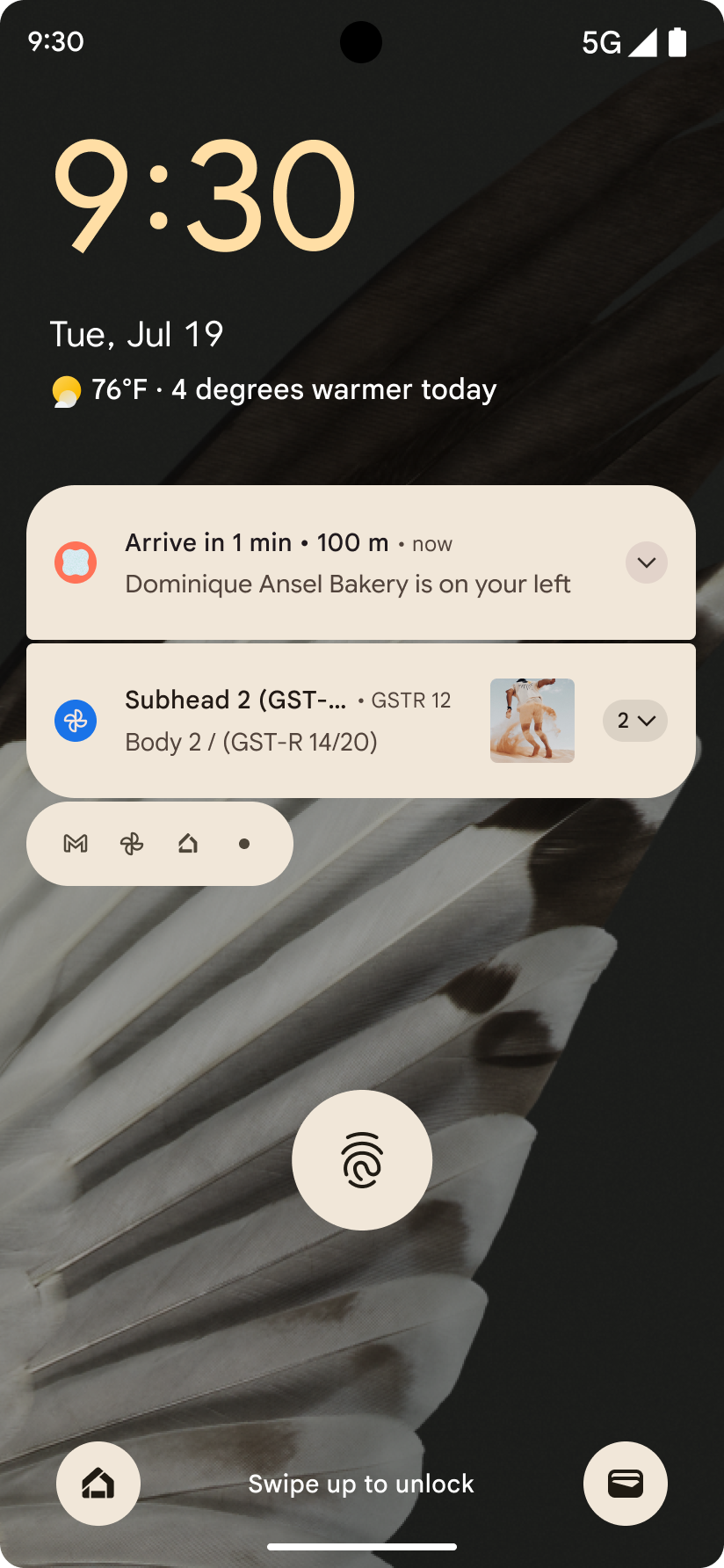
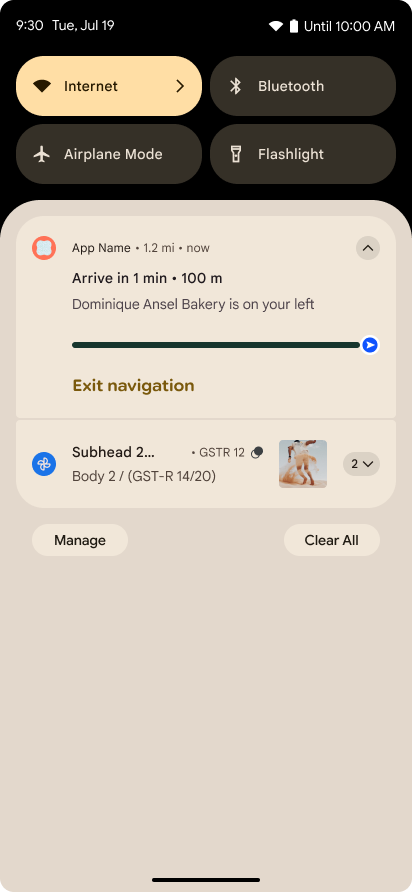
Android 16, kullanıcıların başlattığı baştan sona yolculukları sorunsuz bir şekilde izlemelerine yardımcı olmak için ilerleme odaklı bildirimler sunar.
Notification.ProgressStyle, ilerleme odaklı bildirimler oluşturmanıza olanak tanıyan yeni bir bildirim stilidir. Araç paylaşma, teslimat ve navigasyon, bu özelliğin başlıca kullanım alanları arasındadır. Notification.ProgressStyle sınıfında, noktalar ve segmentler kullanarak kullanıcı yolculuğundaki durumları ve aşamaları belirtebilirsiniz.
Daha fazla bilgi için İlerleme odaklı bildirimler doküman sayfasına bakın.
Tahmin edilen geri gitme güncellemeleri
Android 16, hareketle gezinme sırasında tahmine dayalı geri sistem animasyonlarını (ör. ana sayfaya geri animasyonu) etkinleştirmenize yardımcı olacak yeni API'ler ekler. onBackInvokedCallback'yi yeni PRIORITY_SYSTEM_NAVIGATION_OBSERVER ile kaydettiğinizde, uygulamanız normal geri gezinme akışını etkilemeden sistem geri gezinme işlemi gerçekleştirdiğinde normal onBackInvoked çağrısını alır.
Android 16'da ayrıca finishAndRemoveTaskCallback() ve moveTaskToBackCallback de eklenmiştir. Sistem, bu geri çağırma işlevlerini OnBackInvokedDispatcher ile kaydederek geri hareketi çağrıldığında belirli davranışları tetikleyebilir ve ilgili animasyonlar önceden oynatabilir.
Daha zengin dokunma teknolojisi
Android, başlangıcından beri dokunma motoru üzerinde kontrol sağlamıştır.
Android 11, daha gelişmiş aktüatörlerin cihaz tanımlı semantik primitiflerin VibrationEffect.Compositions aracılığıyla destekleyebileceği daha karmaşık dokunma efektleri için destek ekledi.
Android 16, uygulamaların cihaz özellikleri arasındaki farklılıkları göz ardı ederek dokunma etkisinin genlik ve frekans eğrilerini tanımlamasına olanak tanıyan dokunma API'leri ekler.
Geliştirici üretkenliği ve araçları
Üretkenliğinizi artırmaya yönelik çalışmalarımızın çoğu Android Studio, Jetpack Compose ve Android Jetpack kitaplıkları gibi araçlara odaklanırken platformda vizyonunuzu gerçekleştirmenize yardımcı olacak yollar aramaya devam ediyoruz.
Animasyonlu duvar kağıtları için içerik işleme
Android 16'da, canlı duvar kağıdı çerçevesi dinamik, kullanıcı odaklı duvar kağıtlarının zorluklarını gidermek için yeni bir içerik API'si kazanıyor. Kullanıcı tarafından sağlanan içeriklerin yer aldığı canlı duvar kağıtları şu anda karmaşık ve hizmete özel uygulamalar gerektiriyor. Android 16'da WallpaperDescription ve WallpaperInstance özellikleri kullanıma sunulmuştur. WallpaperDescription, aynı hizmetteki farklı animasyonlu duvar kağıdı örneklerini tanımlamanızı sağlar. Örneğin, hem ana ekranda hem de kilit ekranında örnekleri bulunan bir duvar kağıdında her iki yerde de benzersiz içerikler bulunabilir. Duvar kağıdı seçici ve WallpaperManager, duvar kağıtlarını kullanıcılara daha iyi sunmak için bu meta verileri kullanır. Böylece, çeşitli ve kişiselleştirilmiş canlı duvar kağıdı deneyimleri oluşturma sürecini kolaylaştırır.
Performans ve pil
Android 16, uygulamalarınız hakkında bilgi toplamanıza yardımcı olan API'ler sunar.
Sistem tarafından tetiklenen profil oluşturma
ProfilingManager, Android 15'e eklendi. Bu sayede uygulamalar, sahadaki herkese açık cihazlarda Perfetto'yu kullanarak profil oluşturma amacıyla veri toplama isteğinde bulunabilir.
Ancak bu profil oluşturma işlemi uygulamadan başlatılması gerektiğinden, uygulamaların başlatma veya ANR gibi kritik akışları yakalaması zor veya imkansız olur.
Android 16, bu konuda yardımcı olmak için ProfilingManager'te sistem tarafından tetiklenen profil oluşturma özelliğini kullanıma sunar. Uygulamalar, sıfırdan başlatma reportFullyDrawn veya ANR'ler gibi belirli tetikleyiciler için izleme alma isteğini kaydedebilir. Ardından sistem, uygulama adına bir izlemeyi başlatır ve durdurur. İzleme tamamlandıktan sonra sonuçlar uygulamanın veri dizine gönderilir.
ApplicationStartInfo'da bileşeni başlatma
ApplicationStartInfo, Android 15'te eklendi. Bu parametre, uygulamaların işlem başlatma nedenlerini, başlatma türünü, başlatma zamanlarını, tıkanmayı ve diğer yararlı teşhis verilerini görmesine olanak tanır. Android 16, başlangıcı hangi bileşen türünün tetiklediğini ayırt etmek için getStartComponent() ekliyor. Bu, uygulamanızın başlangıç akışını optimize etmek için yararlı olabilir.
Daha iyi iş incelemesi
JobScheduler#getPendingJobReason() API, bir işin beklemede olmasının nedenini döndürür. Ancak bir işin beklemede olmasının birden fazla nedeni olabilir.
Android 16'da, hem geliştirici tarafından belirlenen açık kısıtlamalar hem de sistem tarafından belirlenen gizli kısıtlamalar nedeniyle bir işin beklemede olmasının birden fazla nedenini döndüren yeni bir API JobScheduler#getPendingJobReasons(int jobId) kullanıma sunuyoruz.
Ayrıca, en son kısıtlama değişikliklerinin listesini döndüren JobScheduler#getPendingJobReasonsHistory(int jobId) işlevini de kullanıma sunuyoruz.
Özellikle belirli görevlerin başarı oranlarının düştüğünü görüyorsanız veya belirli bir işin tamamlanma süresinde gecikmeyle ilgili hatalar varsa API'yi kullanarak işlerinizin neden yürütülemediğini tespit etmenizi öneririz. Örneğin, arka planda widget'ların güncellenmesi başarısız oldu veya uygulama başlatılmadan önce ön getirme işi çağrılamadı.
Bu, belirli işlerin sistem tarafından tanımlanan kısıtlamalar mı yoksa açıkça ayarlanan kısıtlamalar mı nedeniyle tamamlanmadığını daha iyi anlamanıza da yardımcı olabilir.
Uyarlanabilir yenileme oranı
Android 15'te kullanıma sunulan uyarlanabilir yenileme hızı (ARR), desteklenen donanımlarda ekran yenileme hızının ayrı VSync adımları kullanarak içerik kare hızına uyum sağlamasını sağlar. Bu sayede, güç tüketimi azalırken sarsıntıya neden olabilecek mod geçişi ihtiyacı ortadan kaldırılır.
Android 16, uygulamalarınızın ARR'den yararlanmasını kolaylaştırmak için hasArrSupport() ve getSuggestedFrameRate(int) özelliklerini sunarken getSupportedRefreshRates() özelliğini de geri yükler. RecyclerView 1.4, bir atıştan veya sorunsuz kaydırmadan sonra yerleşirken ARR'yi dahili olarak destekler. ARR desteğini daha fazla Jetpack kitaplığına ekleme çalışmalarımıza devam ediyoruz. Bu kare hızı makalesinde, uygulamanızın doğrudan ARR kullanabilmesi için kare hızını ayarlamak üzere kullanabileceğiniz API'lerin çoğu ele alınmaktadır.
ADPF'deki Headroom API'leri
SystemHealthManager, oyunlara ve yoğun kaynak kullanan uygulamalara mevcut CPU ve GPU kaynaklarının tahminlerini sağlamak için tasarlanmış getCpuHeadroom ve getGpuHeadroom API'lerini kullanıma sunar. Bu yöntemler, özellikle termal kısıtlamayı algılayan diğer Android Dinamik Performans Çerçevesi (ADPF) API'leriyle birlikte kullanıldığında, uygulamanızın veya oyununuzun sistem sağlığını en iyi şekilde nasıl iyileştirebileceğini ölçmenize olanak tanır.
Desteklenen cihazlarda CpuHeadroomParams ve GpuHeadroomParams düğmelerini kullanarak, boşluğu hesaplamak için kullanılan zaman aralığını özelleştirebilir ve ortalama veya minimum kaynak kullanılabilirliği arasında seçim yapabilirsiniz. Bu sayede CPU veya GPU kaynak kullanımınızı uygun şekilde azaltabilir, daha iyi kullanıcı deneyimleri ve daha uzun pil ömrü elde edebilirsiniz.
Erişilebilirlik
Android 16, uygulamanızı her kullanıcıya ulaştırmanıza yardımcı olabilecek yeni erişilebilirlik API'leri ve özellikleri ekliyor.
Geliştirilmiş erişilebilirlik API'leri
Android 16, kullanıcı arayüzü anlamlarını iyileştirmek için ek API'ler ekleyerek TalkBack gibi erişilebilirlik hizmetlerini kullanan kullanıcılar için tutarlılığı artırmaya yardımcı olur.
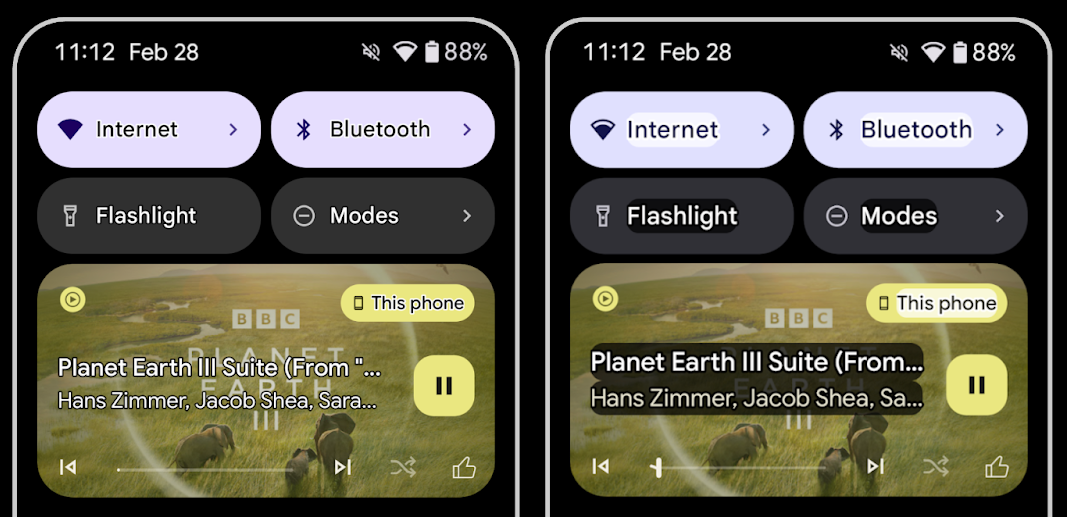
Maksimum metin kontrastı için metnin dış çizgisini kalınlaştırma
Görme bozukluğu olan kullanıcıların kontrast hassasiyeti genellikle düşüktür. Bu durum, nesneleri arka planlarından ayırt etmeyi zorlaştırır. Bu kullanıcılara yardımcı olmak için Android 16, yüksek kontrastlı metnin yerini alan ana hat metnini kullanıma sunar. Bu metin, okunabilirliği büyük ölçüde artırmak için metnin etrafında daha büyük bir kontrast alanı çizer.
Android 16, bu modun etkin olup olmadığını görmek için uygulamalarınızın kontrol etmesine veya dinleyici kaydetmesine olanak tanıyan yeni AccessibilityManager API'leri içerir. Bu, öncelikle benzer bir görsel deneyim sunmak için Oluştur gibi kullanıcı arayüzü araç takımları içindir. Bir kullanıcı arayüzü araç seti kitaplığınız varsa veya uygulamanız android.text.Layout sınıfını atlayan özel metin oluşturma işlemi gerçekleştiriyorsa ana hat metninin ne zaman etkinleştirildiğini öğrenmek için bunu kullanabilirsiniz.
TtsSpan'a süre eklendi
Android 16, TtsSpan'yi ARG_HOURS, ARG_MINUTES ve ARG_SECONDS'den oluşan bir TYPE_DURATION ile genişletir. Bu sayede, süreyi doğrudan not edebilirsiniz. Böylece TalkBack gibi hizmetlerde metin okuma özelliğini doğru ve tutarlı bir şekilde kullanabilirsiniz.
Birden fazla etikete sahip öğeleri destekleme
Android şu anda kullanıcı arayüzü öğelerinin erişilebilirlik etiketlerini başka bir öğeden almasına izin veriyor. Ayrıca, web içeriklerinde yaygın bir durum olan birden fazla etiketin ilişkilendirilmesine olanak tanıyor. Android, AccessibilityNodeInfo içinde liste tabanlı bir API tanıtarak bu çok etiketli ilişkileri doğrudan destekleyebilir. Bu değişiklik kapsamında, AccessibilityNodeInfo#setLabeledBy ve #getLabeledBy için desteği sonlandırdık. Bunun yerine #addLabeledBy, #removeLabeledBy ve #getLabeledByList'yi kullanmanızı öneririz.
Genişletilebilir öğeler için iyileştirilmiş destek
Android 16, menü ve genişletilebilir listeler gibi etkileşimli öğelerin genişletilmiş veya daraltılmış durumunu iletmenize olanak tanıyan erişilebilirlik API'leri ekler. setExpandedState kullanarak genişletilmiş durumu ayarlayarak ve CONTENT_CHANGE_TYPE_EXPANDED içerik değişikliği türüyle TYPE_WINDOW_CONTENT_CHANGED AccessibilityEvents göndererek TalkBack gibi ekran okuyucuların durum değişikliklerini duyurmasını sağlayabilir, böylece daha sezgisel ve kapsayıcı bir kullanıcı deneyimi sunabilirsiniz.
Belirsiz ilerleme çubukları
Android 16'da RANGE_TYPE_INDETERMINATE eklendi. Bu sayede, hem belirli hem de belirsiz ProgressBar widget'ları için RangeInfo'i gösterebilirsiniz. Böylece TalkBack gibi hizmetler, ilerleme göstergeleri için daha tutarlı geri bildirim sağlayabilir.
Üç durumlu onay kutusu
Android 16'daki yeni AccessibilityNodeInfo
getChecked ve setChecked(int)
yöntemleri artık "işaretli" ve "işaretsiz" seçeneklerine ek olarak "kısmen işaretli" durumu da destekliyor. Bu, desteği sonlandırılan isChecked ve setChecked(boolean) doğru/yanlış değerlerinin yerini almıştır.
Ek açıklamalar
Erişilebilirlik hizmetleri, bir ViewGroup tanımlarken alt görünümlerindeki içerik etiketlerini birleştirir. ViewGroup için bir contentDescription sağlarsanız erişilebilirlik hizmetleri, odaklanılabilir olmayan alt görünümlerin açıklamasını da geçersiz kıldığınızı varsayar. Erişilebilirlik için mevcut seçimi (ör. "Roboto") korurken açılır menü gibi öğeleri (ör. "Yazı Tipi Ailesi") etiketlemek isterseniz bu durum soruna yol açabilir. Android 16, ViewGroup öğelerinin bilgilerini geçersiz kılmadan ViewGroup hakkında bilgi veren metin sağlayabilmeniz için setSupplementalDescription öğesini ekler.
Zorunlu form alanları
Android 16, uygulamaların bir erişilebilirlik hizmetine form alanına giriş yapılması gerektiğini bildirebilmesi için AccessibilityNodeInfo değerine setFieldRequired değerini ekler. Bu, zorunlu hükümler ve koşullar onay kutusu gibi basit şeyler de dahil olmak üzere birçok form türü dolduran kullanıcılar için önemli bir senaryodur. Kullanıcıların zorunlu alanları tutarlı bir şekilde tanımlamasına ve bunlar arasında hızlıca gezinmesine yardımcı olur.
LEA işitme cihazlarıyla sesli aramalar için mikrofon girişi olarak telefon
Android 16, LE Audio işitme cihazı kullanıcılarının sesli aramalar için işitme cihazlarındaki yerleşik mikrofonlar ile telefonlarındaki mikrofon arasında geçiş yapmalarına olanak tanır. Bu, gürültülü ortamlarda veya işitme cihazının mikrofonlarının iyi performans göstermeyebileceği diğer durumlarda yararlı olabilir.
LEA işitme cihazları için ortam ses seviyesi kontrolleri
Android 16, LE Audio işitme cihazı kullanıcılarının işitme cihazının mikrofonları tarafından alınan ortam sesinin ses seviyesini ayarlama özelliğini ekler. Bu, arka plan gürültüsünün çok yüksek veya çok düşük olduğu durumlarda yararlı olabilir.
Kamera
Android 16, profesyonel kamera kullanıcıları için desteği geliştirerek hassas renk sıcaklığı ve renk tonu ayarlamalarının yanı sıra karma otomatik pozlamaya olanak tanır. Yeni bir gece modu göstergesi, uygulamanızın gece modu kamera oturumuna ne zaman geçeceğini ve ne zaman çıkacağını bilmesine yardımcı olur. Yeni Intent işlemler, hareketli fotoğraflar çekmeyi kolaylaştırıyor. Ayrıca, HEIC kodlama desteği ve ISO 21496-1 taslak standardındaki yeni parametrelerle Ultra HDR görüntüleri iyileştirmeye devam ediyoruz.
Karma otomatik pozlama
Android 16, Camera2'ye yeni karma otomatik pozlama modları ekler. Bu modlar, pozlamanın belirli yönlerini manuel olarak kontrol etmenize olanak tanır ve geri kalanını otomatik pozlama (AE) algoritmasının halletmesine olanak tanır. ISO + AE ve örnekleme süresi + AE'yi kontrol edebilirsiniz. Böylece, tam manuel kontrole sahip olduğunuz veya tamamen otomatik pozlamaya güvendiğiniz mevcut yaklaşıma kıyasla daha fazla esneklik elde edersiniz.
fun setISOPriority() {
    // ... (Your existing code before the snippet) ...

    val availablePriorityModes = mStaticInfo.characteristics.get(
        CameraCharacteristics.CONTROL_AE_AVAILABLE_PRIORITY_MODES
    )

    // ... (Your existing code between the snippets) ...

    // Turn on AE mode to set priority mode
    reqBuilder.set(
        CaptureRequest.CONTROL_AE_MODE,
        CameraMetadata.CONTROL_AE_MODE_ON
    )
    reqBuilder.set(
        CaptureRequest.CONTROL_AE_PRIORITY_MODE,
        CameraMetadata.CONTROL_AE_PRIORITY_MODE_SENSOR_SENSITIVITY_PRIORITY
    )
    reqBuilder.set(
        CaptureRequest.SENSOR_SENSITIVITY,
        TEST_SENSITIVITY_VALUE
    )
    val request: CaptureRequest = reqBuilder.build()

    // ... (Your existing code after the snippet) ...
}
Hassas renk sıcaklığı ve renk tonu ayarlamaları
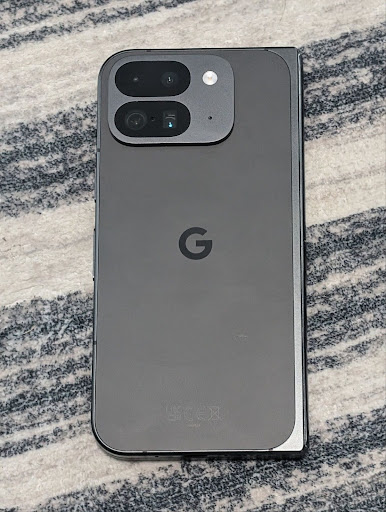
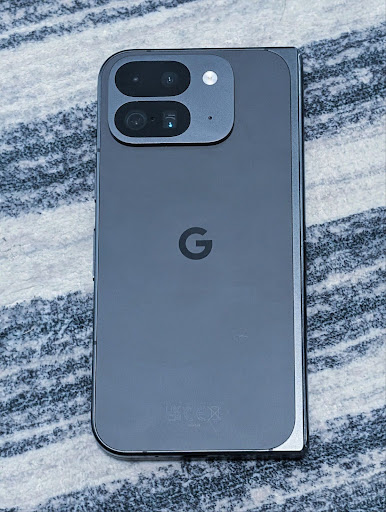
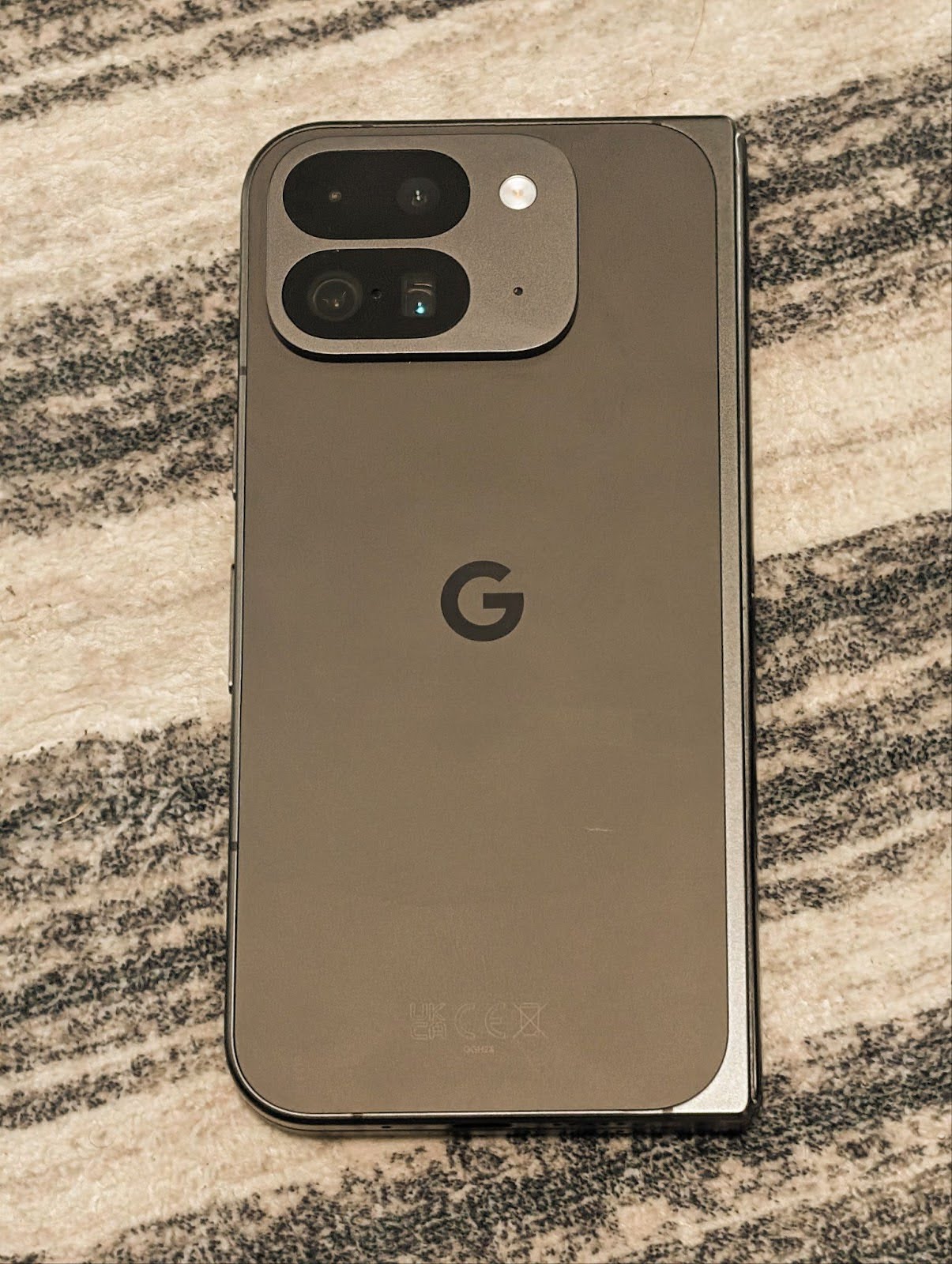
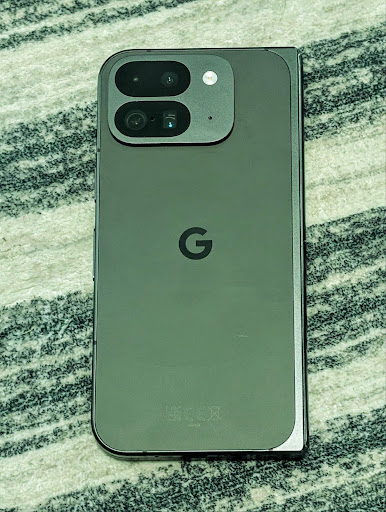
Android 16, profesyonel video kayıt uygulamalarını daha iyi desteklemek için hassas renk sıcaklığı ve ton ayarlamaları için kamera desteği ekler. Önceki Android sürümlerinde, beyaz denge ayarlarını Akkor, Bulutlu ve Alacakaranlık gibi önceden belirlenmiş bir listeyle sınırlı seçenekler içeren CONTROL_AWB_MODE üzerinden kontrol edebiliyordunuz. COLOR_CORRECTION_MODE_CCT, ilişkili renk sıcaklığına göre beyaz dengesinin hassas ayarlanması için COLOR_CORRECTION_COLOR_TEMPERATURE ve COLOR_CORRECTION_COLOR_TINT düğmelerinin kullanılmasını sağlar.
fun setCCT() {
    // ... (Your existing code before this point) ...

    val colorTemperatureRange: Range<Int> =
        mStaticInfo.characteristics[CameraCharacteristics.COLOR_CORRECTION_COLOR_TEMPERATURE_RANGE]

    // Set to manual mode to enable CCT mode
    reqBuilder[CaptureRequest.CONTROL_AWB_MODE] = CameraMetadata.CONTROL_AWB_MODE_OFF
    reqBuilder[CaptureRequest.COLOR_CORRECTION_MODE] = CameraMetadata.COLOR_CORRECTION_MODE_CCT
    reqBuilder[CaptureRequest.COLOR_CORRECTION_COLOR_TEMPERATURE] = 5000
    reqBuilder[CaptureRequest.COLOR_CORRECTION_COLOR_TINT] = 30

    val request: CaptureRequest = reqBuilder.build()

    // ... (Your existing code after this point) ...
}
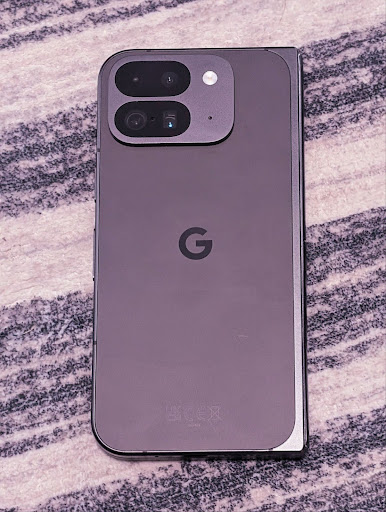
Aşağıdaki örneklerde, farklı renk sıcaklığı ve ton düzenlemeleri uygulandıktan sonra bir fotoğrafın nasıl görüneceği gösterilmektedir:
Kamerada gece modu sahne algılama
Uygulamanızın gece modu kamera oturumuna ne zaman geçeceğini ve ne zaman çıkacağını bilmesi için Android 16'da EXTENSION_NIGHT_MODE_INDICATOR eklendi. Destekleniyorsa Camera2'deki CaptureResult bölümünde kullanılabilir.
Bu, Instagram'ın kullanıcıların düşük ışıkta muhteşem fotoğraflar çekmesini nasıl sağladığı blog yayınında yakında kullanıma sunulacağından kısaca bahsettiğimiz API'dir. Bu yayında, gece modunun nasıl uygulanacağıyla ilgili pratik bir kılavuz ve uygulama içi kameradan paylaşılan fotoğrafların sayısının artmasıyla daha yüksek kaliteli uygulama içi gece modu fotoğrafları arasında bağlantı kuran bir örnek olay yer alıyor.
Hareketli fotoğraf çekme amaçlı işlem
Android 16, kamera uygulamasının hareketli fotoğraf çekmesini ve döndürmesini isteyen standart Intent işlemleri (ACTION_MOTION_PHOTO_CAPTURE ve ACTION_MOTION_PHOTO_CAPTURE_SECURE) ekler.
Resmin nereye yazılacağını kontrol etmek için ek bir EXTRA_OUTPUT veya Intent.setClipData(ClipData) aracılığıyla bir Uri göndermeniz gerekir. ClipData ayarlamazsanız Context.startActivity(Intent) araması yapılırken sizin için kopyalanır.
Ultra HDR görüntü iyileştirmeleri
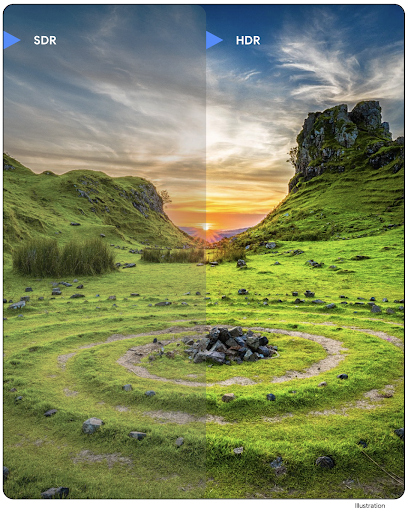
Android 16, Ultra HDR görüntülerle göz kamaştırıcı görüntü kalitesi sunma çalışmalarımıza devam ediyor. HEIC dosya biçiminde UltraHDR resimleri için destek ekler. Bu resimler ImageFormat türü HEIC_ULTRAHDR alır ve mevcut UltraHDR JPEG biçimine benzer bir yerleşik kazanç haritası içerir. UltraHDR için AVIF desteği üzerinde de çalışıyoruz. Gelişmeleri takip edin.
Ayrıca Android 16, ISO 21496-1 taslak standardından UltraHDR'ye ek parametreler uygular. Bu parametreler arasında, kazanç haritası matematiğinin uygulanması gereken renk alanını alma ve ayarlama özelliğinin yanı sıra SDR kazanç haritaları içeren HDR kodlanmış temel resimler için destek yer alır.
Grafik
Android 16, AGSL ile özel grafik efektleri gibi en yeni grafik iyileştirmelerini içerir.
AGSL ile özel grafik efektleri
Android 16'da RuntimeColorFilter ve RuntimeXfermode eklendi. Bu sayede, Eşik, Sepya ve Ton Doygunluğu gibi karmaşık efektler oluşturabilir ve bunları çizim çağrılarına uygulayabilirsiniz. Android 13'ten beri Shader'i genişleten özel RuntimeShaders oluşturmak için AGSL'yi kullanabilirsiniz. Yeni API, ColorFilter'i genişleten AGSL destekli bir RuntimeColorFilter ve kaynak ile hedef pikseller arasında AGSL tabanlı özel birleştirme ve karıştırma uygulamanıza olanak tanıyan bir Xfermode efekti ekleyerek bunu yansıtır.
private val thresholdEffectString = """
    uniform half threshold;

    half4 main(half4 c) {
        half luminosity = dot(c.rgb, half3(0.2126, 0.7152, 0.0722));
        half bw = step(threshold, luminosity);
        return bw.xxx1 * c.a;
    }"""

fun setCustomColorFilter(paint: Paint) {
   val filter = RuntimeColorFilter(thresholdEffectString)
   filter.setFloatUniform(0.5);
   paint.colorFilter = filter
}
Bağlantı
Android 16, platformu güncelleyerek uygulamanızın iletişim ve kablosuz teknolojilerdeki en son gelişmelere erişmesini sağlar.
Gelişmiş güvenlik ile aralık belirleme
Android 16, Wi-Fi 6'nın 802.11az özelliğine sahip desteklenen cihazlarda kablosuz konum için güçlü güvenlik özellikleri desteği ekler. Bu sayede uygulamalar, protokolün daha yüksek doğruluğunu, daha fazla ölçeklenebilirliğini ve dinamik planlamasını AES-256 tabanlı şifreleme ve MITM saldırılarına karşı koruma gibi güvenlik geliştirmeleriyle birleştirebilir. Bu sayede, dizüstü bilgisayarın veya araç kapısının kilidini açma gibi yakınlık kullanım alanlarında daha güvenli bir şekilde kullanılabilir. 802.11az, daha geniş kullanım ve daha kolay dağıtım için altyapısından ve özelliklerinden yararlanarak Wi-Fi 6 standardıyla entegre edilmiştir.
Genel aralık API'leri
Android 16, desteklenen donanımlarda yerel cihaz ile uzak cihaz arasındaki mesafeyi ve açıyı belirleme yöntemleri sunan yeni RangingManager özelliğini içerir. RangingManager, BLE kanal seslendirme, BLE RSSI tabanlı menzil ölçümü, Ultra Geniş Bant ve kablosuz ağ gidiş dönüş süresi gibi çeşitli menzil ölçümü teknolojilerinin kullanımını destekler.
Companion Device Manager cihaz varlığı
Android 16'da, tamamlayıcı uygulama hizmetinizi bağlamak için yeni API'ler kullanıma sunulmaktadır. BLE kapsama alanındayken ve Bluetooth bağlıyken hizmet bağlanır. BLE kapsama alanından çıktığında veya Bluetooth bağlantısı kesildiğinde hizmetin bağlantısı kaldırılır. Uygulama, DevicePresenceEvent türlerine göre yeni bir 'onDevicePresenceEvent()' geri çağırma işlevi alır.
Daha ayrıntılı bilgiyi 'startObservingDevicePresence(ObservingDevicePresenceRequest)' işlevinde bulabilirsiniz.
Medya
Android 16, medya deneyimini iyileştiren çeşitli özellikler içerir.
Fotoğraf seçiciyle ilgili iyileştirmeler
Fotoğraf seçici, kullanıcıların uygulamanızın tüm medya kitaplıkları yerine hem yerel hem de bulut depolama alanlarındaki seçili resimlere ve videolara erişmesine izin vermesi için güvenli ve yerleşik bir yöntem sunar. Google sistem güncellemeleri ve Google Play Hizmetleri aracılığıyla modüler sistem bileşenleri kombinasyonu kullanılarak Android 4.4 (API düzeyi 19)'e kadar desteklenir. Entegrasyon için ilişkili Android Jetpack kitaplığı ile yalnızca birkaç satır kod yeterlidir.
Android 16'da fotoğraf seçicide aşağıdaki iyileştirmeler yapılmıştır:
- Yerleştirilmiş fotoğraf seçici: Uygulamaların fotoğraf seçiciyi görünüm hiyerarşisine yerleştirmesini sağlayan yeni API'ler. Bu sayede, kullanıcıların uygulamanın çok geniş izinlere ihtiyaç duymadan medya seçmesine olanak tanıyan işlem izolasyonundan yararlanırken, uygulamanın daha entegre bir parçası gibi görünmesini sağlar. Platform sürümleri arasında uyumluluğu en üst düzeye çıkarmak ve entegrasyonunuzu basitleştirmek için yerleşik fotoğraf seçiciyi entegre etmek istiyorsanız yakında kullanıma sunulacak Android Jetpack kitaplığını kullanmanız gerekir.
- Fotoğraf seçicide Cloud Search: Android fotoğraf seçici için bulut medya sağlayıcısından arama yapmayı sağlayan yeni API'ler. Fotoğraf seçicide arama işlevi yakında kullanıma sunulacaktır.
Gelişmiş Profesyonel Video
Android 16, profesyonel düzeyde yüksek kaliteli video kaydı ve post prodüksiyon için tasarlanmış Gelişmiş Profesyonel Video (APV) codec'i desteğini kullanıma sunar.
APV codec standardı aşağıdaki özelliklere sahiptir:
- Görsel açıdan kayıpsız video kalitesi (ham video kalitesine yakın)
- Düzenleme iş akışlarını daha iyi desteklemek için düşük karmaşıklığa ve yüksek veri hızına sahip yalnızca kare içi kodlama (piksel alanı tahmini olmadan)
- Hafif bir entropi kodlama şemasıyla etkinleştirilen 2K, 4K ve 8K çözünürlüklü içerikler için birkaç Gb/sn'ye kadar yüksek bit hızı aralığı desteği
- Immersive içerikler ve paralel kodlama ve kod çözme için kare tarama
- Çeşitli renk örnekleme biçimleri ve bit derinlikleri için destek
- Görsel kalitede ciddi bozulma olmadan birden fazla kod çözme ve yeniden kodlama desteği
- Çoklu izlemeli video ve yardımcı video (derinlik, alfa ve önizleme gibi) desteği
- HDR10/10+ ve kullanıcı tanımlı meta veriler için destek
APV'nin referans uygulaması, OpenAPV projesi aracılığıyla sağlanır. Android 16, 10 bit kodlamanın yanı sıra YUV 422 renk örnekleme sağlayan ve 2 Gbps'ye kadar hedef bit hızları için APV 422-10 Profili'ne destek sunacaktır.
Gizlilik
Android 16, uygulama geliştiricilerin kullanıcı gizliliğini korumasına yardımcı olan çeşitli özellikler içerir.
Health Connect güncellemeleri
Health Connect, orta ve yoğun aktiviteyle ilgili Dünya Sağlık Örgütü kurallarına göre tanımlanan bir veri türü olan ACTIVITY_INTENSITY'ü ekler. Her kayıt için başlangıç zamanı, bitiş zamanı ve aktivite yoğunluğunun orta mı yoksa yoğun mu olduğu belirtilmelidir.
Health Connect, tıbbi kayıtları destekleyen güncellenmiş API'ler de içerir. Bu sayede uygulamalar, kullanıcının açık izniyle FHIR biçiminde tıbbi kayıtları okuyabilir ve yazabilir.
Android'de Özel Korumalı Alan
Android 16, kullanıcıların gizliliklerinin korunduğunu bildikleri teknolojiler geliştirmek için devam eden çalışmalarımızın bir parçası olan Android'de Özel Korumalı Alan'ın en son sürümünü içerir. Android geliştirici beta programındaki Özel Korumalı Alan hakkında daha fazla bilgiyi web sitemizde bulabilirsiniz. SDK'ların, sundukları uygulamadan ayrı özel bir çalışma zamanı ortamında çalışmasını sağlayan ve kullanıcı verilerinin toplanması ve paylaşılmasıyla ilgili daha güçlü önlemler sunan SDK Çalışma Zamanı'na göz atın.
Güvenlik
Android 16, uygulamanızın güvenliğini artırmanıza ve uygulamanızın verilerini korumanıza yardımcı olan özellikler içerir.
Anahtar paylaşımı API'si
Android 16, Android Anahtar Deposu anahtarlarına erişimi diğer uygulamalarla paylaşmayı destekleyen API'ler ekler. Yeni KeyStoreManager sınıfı, uygulama uid'sine göre anahtarlara erişim izni verme ve erişim iznini iptal etme işlemlerini destekler ve uygulamaların paylaşılan anahtarlara erişmesi için bir API içerir.
Cihaz form faktörleri
Android 16, uygulamalarınızın Android'in form faktörlerinden en iyi şekilde yararlanmasını sağlar.
TV'ler için standartlaştırılmış görüntü ve ses kalitesi çerçevesi
Android 16'daki yeni MediaQualitypaketi, ses ve resim profillerine ve donanımla ilgili ayarlara erişim için standartlaştırılmış bir API grubu sağlar. Bu sayede akış uygulamaları profilleri sorgulayabilir ve medyaya dinamik olarak uygulayabilir:
- Daha geniş dinamik aralıkla mastering işlemi uygulanan filmlerde, gölgelerdeki ince ayrıntıları görmek ve ortam ışığına uyum sağlamak için daha yüksek renk doğruluğu gerekir. Bu nedenle, parlaklık yerine renk doğruluğunu tercih eden bir profil uygun olabilir.
- Canlı spor etkinlikleri genellikle dar bir dinamik aralık ile masterlanır ancak genellikle gün ışığında izlenir. Bu nedenle, renk doğruluğu yerine parlaklığı tercih eden bir profil daha iyi sonuçlar verebilir.
- Tamamen etkileşimli içerikler, gecikmeyi azaltmak için minimum düzeyde işleme ve daha yüksek kare hızları gerektirir. Bu nedenle birçok TV, oyun profiliyle birlikte gönderilir.
API, uygulamaların profiller arasında geçiş yapmasına ve kullanıcıların desteklenen TV'leri içeriklerine en uygun şekilde ayarlamalarına olanak tanır.
Uluslararası hale getirme
Android 16, bir cihaz farklı dillerde kullanılırken kullanıcı deneyimini tamamlayan özellikler ve işlevler ekler.
Dikey metin
Android 16, kitaplık geliştiricileri için temel dikey yazma desteği sağlamak amacıyla metni dikey olarak oluşturma ve ölçme için düşük düzeyde destek ekler. Bu, özellikle Japonca gibi genellikle dikey yazı sistemlerinin kullanıldığı diller için yararlıdır. Paint sınıfına VERTICAL_TEXT_FLAG adlı yeni bir işaret eklendi. Bu işaret Paint.setFlags kullanılarak ayarlandığında Paint'in metin ölçüm API'leri yatay ilerlemeler yerine dikey ilerlemeleri raporlar ve Canvas metni dikey olarak çizer.
val text = "「春は、曙。」"
Box(
    Modifier.padding(innerPadding).background(Color.White).fillMaxSize().drawWithContent {
        drawIntoCanvas { canvas ->
            val paint = Paint().apply { textSize = 64.sp.toPx() }
            // Draw text vertically
            paint.flags = paint.flags or VERTICAL_TEXT_FLAG
            val height = paint.measureText(text)
            canvas.nativeCanvas.drawText(
                text,
                0,
                text.length,
                size.width / 2,
                (size.height - height) / 2,
                paint
            )
        }
    }
) {}
Ölçü sistemi özelleştirme
Kullanıcılar artık ölçüm sistemlerini Ayarlar'daki bölgesel tercihlerde özelleştirebilir. Kullanıcı tercihi, yerel ayar kodunun bir parçası olarak dahil edilir. Bu nedenle, bölgesel tercihler değiştiğinde yerel ayar yapılandırma değişikliklerini işlemek için ACTION_LOCALE_CHANGED üzerinde bir BroadcastReceiver kaydedebilirsiniz.
Düzenleyiciler kullanmak, yerel deneyimle eşleşmeye yardımcı olabilir. Örneğin, İngilizce (ABD) dilinde "0,5 in" olan ölçü birimi, telefonunu İngilizce (Danimarka) olarak ayarlayan veya telefonunu İngilizce (ABD) dilinde kullanırken ölçü birimi tercihi olarak metrik sistemi kullanan bir kullanıcı için "12,7 mm" olur.
Bu ayarları bulmak için Ayarlar uygulamasını açıp Sistem > Dil ve bölge'ye gidin.