

เช่นเดียวกับรุ่นก่อนๆ Android 16 มีการเปลี่ยนแปลงลักษณะการทำงานที่อาจส่งผลต่อแอปของคุณ การเปลี่ยนแปลงลักษณะการทำงานต่อไปนี้มีผลกับแอปที่กำหนดเป้าหมายเป็น Android 16 ขึ้นไปเท่านั้น หากแอปกำหนดเป้าหมายเป็น Android 16 ขึ้นไป คุณควรแก้ไขแอปให้รองรับลักษณะการทำงานเหล่านี้ในกรณีที่เกี่ยวข้อง
นอกจากนี้ โปรดตรวจสอบรายการการเปลี่ยนแปลงลักษณะการทำงานที่ส่งผลต่อแอปทั้งหมด
ที่ทำงานบน Android 16 ไม่ว่า targetSdkVersion ของแอปจะเป็นอย่างไร
ประสบการณ์ของผู้ใช้และ UI ของระบบ
Android 16 (ระดับ API 36) มีการเปลี่ยนแปลงต่อไปนี้ซึ่งมีจุดประสงค์ เพื่อสร้างประสบการณ์ของผู้ใช้ที่สอดคล้องกันและใช้งานง่ายยิ่งขึ้น
การเลือกไม่ใช้แบบไร้ขอบจะสิ้นสุดลง
Android 15 บังคับใช้การแสดงผลแบบขอบต่อขอบสำหรับแอปที่กำหนดเป้าหมายเป็น Android 15 (API
ระดับ 35) แต่แอปของคุณสามารถเลือกไม่ใช้ได้โดยตั้งค่า
R.attr#windowOptOutEdgeToEdgeEnforcement เป็น true สำหรับแอปที่กำหนดเป้าหมายเป็น Android 16 (API ระดับ 36) ระบบจะเลิกใช้งานและปิดใช้ R.attr#windowOptOutEdgeToEdgeEnforcement และแอปของคุณจะเลือกไม่ใช้การแสดงผลแบบไร้ขอบไม่ได้
- หากแอปกำหนดเป้าหมายเป็น Android 16 (ระดับ API 36) และทำงานบนอุปกรณ์ Android 15
R.attr#windowOptOutEdgeToEdgeEnforcementจะยังคงทำงานต่อไป - หากแอปกำหนดเป้าหมายเป็น Android 16 (API ระดับ 36) และทำงานบนอุปกรณ์ Android 16 ระบบจะปิดใช้
R.attr#windowOptOutEdgeToEdgeEnforcement
สำหรับการทดสอบใน Android 16 โปรดตรวจสอบว่าแอปของคุณรองรับการแสดงผลแบบขอบจรดขอบ และ
นำการใช้ R.attr#windowOptOutEdgeToEdgeEnforcement ออกเพื่อให้แอปของคุณ
รองรับการแสดงผลแบบขอบจรดขอบในอุปกรณ์ Android 15 ด้วย หากต้องการรองรับการแสดงผลแบบขอบถึงขอบ
โปรดดูคำแนะนำเกี่ยวกับ Compose และ Views
ต้องย้ายข้อมูลหรือเลือกไม่ใช้เพื่อใช้การย้อนกลับที่คาดการณ์ได้
สำหรับแอปที่กำหนดเป้าหมายเป็น Android 16 (ระดับ API 36) ขึ้นไปและทำงานบนอุปกรณ์ Android 16 ขึ้นไป ระบบจะเปิดใช้ภาพเคลื่อนไหวของการย้อนกลับที่คาดการณ์ได้ (ย้อนกลับไปหน้าแรก ข้ามงาน และข้ามกิจกรรม) โดยค่าเริ่มต้น
นอกจากนี้ ระบบจะไม่เรียก onBackPressed และ
KeyEvent.KEYCODE_BACK ไม่ส่งอีกต่อไป
หากแอปของคุณดักจับเหตุการณ์ย้อนกลับและคุณยังไม่ได้ย้ายข้อมูลไปใช้การย้อนกลับที่คาดการณ์ได้
ให้อัปเดตแอปเพื่อใช้ API การนำทางย้อนกลับที่รองรับ หรือ
เลือกไม่ใช้ชั่วคราวโดยตั้งค่า
android:enableOnBackInvokedCallback แอตทริบิวต์เป็น false ใน
<application> หรือ <activity> แท็กของไฟล์ AndroidManifest.xml ของแอป
เลิกใช้งานและปิดใช้ Elegant Font API
แอปที่กำหนดเป้าหมายเป็น Android 15 (API ระดับ 35) จะมีแอตทริบิวต์
elegantTextHeight
TextView ตั้งค่าเป็น true โดยค่าเริ่มต้น ซึ่งจะแทนที่แบบอักษรแบบย่อด้วยแบบอักษรที่อ่านง่ายกว่ามาก คุณลบล้างค่านี้ได้โดยตั้งค่าแอตทริบิวต์ elegantTextHeight เป็น false
Android 16 จะเลิกใช้งานแอตทริบิวต์
elegantTextHeight
และระบบจะละเว้นแอตทริบิวต์เมื่อแอปกำหนดเป้าหมายเป็น Android 16 เราจะเลิกใช้ "UI
fonts" ที่ควบคุมโดย API เหล่านี้ ดังนั้นคุณควรปรับเลย์เอาต์ใดๆ เพื่อให้การแสดงข้อความในภาษาอาหรับ ลาว เมียนมาร์ ทมิฬ คุชราต กันนาดา มาลายาลัม โอเดีย เตลูกู หรือไทยมีความสอดคล้องกันและพร้อมใช้งานในอนาคต
 ลักษณะการทำงานของ
 elegantTextHeight สำหรับแอปที่กำหนดเป้าหมายเป็น Android
14 (API ระดับ 34) และต่ำกว่า หรือสำหรับแอปที่กำหนดเป้าหมายเป็น Android 15 (API ระดับ 35)
ซึ่งลบล้างค่าเริ่มต้นโดยการตั้งค่าแอตทริบิวต์ elegantTextHeight
เป็น false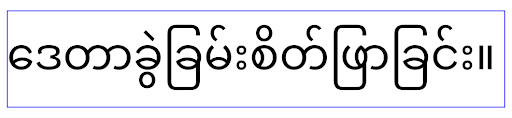 ลักษณะการทํางานของ
 elegantTextHeight สําหรับแอปที่กําหนดเป้าหมายเป็น Android
16 (API ระดับ 36) หรือสําหรับแอปที่กําหนดเป้าหมายเป็น Android 15 (API ระดับ 35) ที่ไม่ได้
ลบล้างค่าเริ่มต้นโดยการตั้งค่าแอตทริบิวต์ elegantTextHeight
เป็น falseฟังก์ชันหลัก
Android 16 (API ระดับ 36) มีการเปลี่ยนแปลงต่อไปนี้ซึ่งจะแก้ไขหรือ ขยายความสามารถหลักต่างๆ ของระบบ Android
การเพิ่มประสิทธิภาพการจัดกำหนดเวลางานแบบอัตราคงที่
ก่อนที่จะกำหนดเป้าหมายเป็น Android 16 เมื่อ scheduleAtFixedRate พลาดการเรียกใช้งานเนื่องจากอยู่นอกวงจรการประมวลผลที่ถูกต้อง การเรียกใช้ทั้งหมดที่พลาดไปจะดำเนินการทันทีเมื่อแอปกลับไปยังวงจรการประมวลผลที่ถูกต้อง
เมื่อกำหนดเป้าหมายเป็น Android 16 ระบบจะเรียกใช้scheduleAtFixedRate ที่พลาดไปไม่เกิน1 ครั้งทันทีเมื่อแอปกลับมาอยู่ในวงจรที่ถูกต้อง การเปลี่ยนแปลงลักษณะการทำงานนี้คาดว่าจะช่วยปรับปรุงประสิทธิภาพของแอป ทดสอบลักษณะการทำงานนี้ในแอปเพื่อดูว่าแอปได้รับผลกระทบหรือไม่
นอกจากนี้ คุณยังทดสอบโดยใช้เฟรมเวิร์กความเข้ากันได้ของแอปและเปิดใช้ Flag STPE_SKIP_MULTIPLE_MISSED_PERIODIC_TASKS compat ได้ด้วย
รูปแบบของอุปกรณ์
Android 16 (ระดับ API 36) มีการเปลี่ยนแปลงต่อไปนี้สำหรับแอปเมื่อ แสดงบนอุปกรณ์หน้าจอขนาดใหญ่
เลย์เอาต์แบบปรับขนาดได้
เมื่อแอป Android ทำงานบนอุปกรณ์หลากหลายประเภท (เช่น โทรศัพท์ แท็บเล็ต อุปกรณ์พับได้ เดสก์ท็อป รถยนต์ และทีวี) และโหมดการแสดงผลแบบหลายหน้าต่างบนหน้าจอขนาดใหญ่ (เช่น หน้าจอแยกและหน้าต่างเดสก์ท็อป) นักพัฒนาแอปควรสร้างแอป Android ที่ปรับให้เข้ากับหน้าจอและขนาดหน้าต่างต่างๆ ได้ ไม่ว่าอุปกรณ์จะอยู่ในแนวนอนหรือแนวตั้ง แนวคิดต่างๆ เช่น การจำกัดการวางแนวและความสามารถในการปรับขนาดมีข้อจำกัดมากเกินไปในโลกที่มีอุปกรณ์หลากหลายในปัจจุบัน
ละเว้นข้อจำกัดด้านการวางแนว ความสามารถในการปรับขนาด และอัตราส่วนกว้างยาว
สำหรับแอปที่กำหนดเป้าหมายเป็น Android 16 (ระดับ API 36) ข้อจำกัดด้านการวางแนว ความสามารถในการปรับขนาด และอัตราส่วนกว้างยาวจะไม่มีผลกับจอแสดงผลที่มีความกว้างที่เล็กที่สุด >= 600dp อีกต่อไป แอปจะเติมหน้าต่างจอแสดงผลทั้งหมด ไม่ว่าอัตราส่วนกว้างยาวจะเป็นอย่างไรหรือผู้ใช้จะชอบการวางแนวแบบใด และจะไม่มีการใช้ Pillarboxing
การเปลี่ยนแปลงนี้จะนำลักษณะการทำงานมาตรฐานใหม่ของแพลตฟอร์มมาใช้ Android กำลังมุ่ง ไปสู่โมเดล ที่คาดหวังให้แอปปรับให้เข้ากับการวางแนว ขนาดจอแสดงผล และอัตราส่วนกว้างยาวต่างๆ ได้ ข้อจำกัดต่างๆ เช่น การวางแนวคงที่หรือความสามารถในการปรับขนาดที่จำกัดจะขัดขวางความสามารถในการปรับตัวของแอป ทำให้แอป ปรับเปลี่ยนได้เพื่อมอบประสบการณ์การใช้งานที่ดีที่สุด
นอกจากนี้ คุณยังทดสอบลักษณะการทำงานนี้ได้โดยใช้
เฟรมเวิร์กความเข้ากันได้ของแอปและเปิดใช้แฟล็กความเข้ากันได้
UNIVERSAL_RESIZABLE_BY_DEFAULT
การเปลี่ยนแปลงที่ส่งผลกับส่วนอื่นในระบบที่พบได้ทั่วไป
การละเว้นข้อจำกัดด้านการวางแนว ความสามารถในการปรับขนาด และอัตราส่วนกว้างยาวอาจส่งผลต่อ UI ของแอปในอุปกรณ์บางเครื่อง โดยเฉพาะอย่างยิ่งองค์ประกอบที่ออกแบบมาสำหรับเลย์เอาต์ขนาดเล็กที่ล็อกไว้ในแนวตั้ง เช่น ปัญหาต่างๆ อย่างเลย์เอาต์ที่ยืดออก รวมถึงภาพเคลื่อนไหวและคอมโพเนนต์ที่อยู่นอกหน้าจอ การคาดการณ์เกี่ยวกับอัตราส่วนกว้างยาวหรือการวางแนวอาจทำให้เกิดปัญหาด้านภาพกับแอป ดูข้อมูลเพิ่มเติมเกี่ยวกับวิธีหลีกเลี่ยงปัญหาดังกล่าวและปรับปรุงลักษณะการทำงานแบบปรับเปลี่ยนได้ของแอป
การอนุญาตให้อุปกรณ์หมุนจะทำให้เกิดการสร้างกิจกรรมใหม่มากขึ้น ซึ่งอาจทำให้ข้อมูลสถานะของผู้ใช้สูญหายหากไม่ได้บันทึกไว้อย่างเหมาะสม ดูวิธีบันทึกข้อมูลสถานะ UI อย่างถูกต้องในหัวข้อบันทึกข้อมูลสถานะ UI
รายละเอียดการใช้งาน
ระบบจะละเว้นแอตทริบิวต์ของไฟล์ Manifest และ API รันไทม์ต่อไปนี้ในอุปกรณ์หน้าจอขนาดใหญ่ในโหมดเต็มหน้าจอและโหมดหลายหน้าต่าง
screenOrientationresizableActivityminAspectRatiomaxAspectRatiosetRequestedOrientation()getRequestedOrientation()
ระบบจะละเว้นค่าต่อไปนี้สำหรับ screenOrientation, setRequestedOrientation() และ getRequestedOrientation()
portraitreversePortraitsensorPortraituserPortraitlandscapereverseLandscapesensorLandscapeuserLandscape
สำหรับความสามารถในการปรับขนาดจอแสดงผล android:resizeableActivity="false",
android:minAspectRatio และ android:maxAspectRatio จะไม่มีผล
สำหรับแอปที่กำหนดเป้าหมายเป็น Android 16 (ระดับ API 36) ระบบจะละเว้นข้อจำกัดด้านการวางแนว ความสามารถในการปรับขนาด และอัตราส่วนกว้างยาวของแอปบนหน้าจอขนาดใหญ่โดยค่าเริ่มต้น ทุกแอปที่ยังไม่พร้อมอย่างเต็มที่สามารถลบล้างลักษณะการทำงานนี้ชั่วคราวได้โดยเลือกไม่ใช้ ซึ่งจะทำให้แอปมีลักษณะการทำงานก่อนหน้านี้คือการอยู่ในโหมดความเข้ากันได้
ข้อยกเว้น
ข้อจำกัดด้านการวางแนว ความสามารถในการปรับขนาด และอัตราส่วนกว้างยาวของ Android 16 จะไม่มีผลในกรณีต่อไปนี้
- เกม (อิงตามแฟล็ก
android:appCategory) - ผู้ใช้เลือกใช้ลักษณะการทำงานเริ่มต้นของแอปอย่างชัดแจ้งในการตั้งค่าอัตราส่วนกว้างยาวของอุปกรณ์
- หน้าจอที่มีขนาดเล็กกว่า
sw600dp
เลือกไม่ใช้ชั่วคราว
หากต้องการเลือกไม่ใช้กิจกรรมที่เฉพาะเจาะจง ให้ประกาศพร็อพเพอร์ตี้ PROPERTY_COMPAT_ALLOW_RESTRICTED_RESIZABILITY ของไฟล์ Manifest
<activity ...>
  <property android:name="android.window.PROPERTY_COMPAT_ALLOW_RESTRICTED_RESIZABILITY" android:value="true" />
  ...
</activity>
หากแอปของคุณหลายส่วนยังไม่พร้อมสำหรับ Android 16 คุณสามารถเลือกไม่ใช้ทั้งหมดได้โดยใช้พร็อพเพอร์ตี้เดียวกันที่ระดับแอปพลิเคชัน
<application ...>
  <property android:name="android.window.PROPERTY_COMPAT_ALLOW_RESTRICTED_RESIZABILITY" android:value="true" />
</application>
สุขภาพและการออกกำลังกาย
Android 16 (API ระดับ 36) มีการเปลี่ยนแปลงต่อไปนี้ที่เกี่ยวข้องกับข้อมูลสุขภาพ และการออกกำลังกาย
สิทธิ์ด้านสุขภาพและการออกกำลังกาย
สำหรับแอปที่กำหนดเป้าหมายเป็น Android 16 (API ระดับ 36) ขึ้นไป สิทธิ์ BODY_SENSORS จะใช้สิทธิ์ที่ละเอียดยิ่งขึ้นในส่วน android.permissions.health ซึ่ง Health Connect ก็ใช้ด้วย และตั้งแต่ Android 16 เป็นต้นไป API ใดก็ตามที่ก่อนหน้านี้ต้องใช้ BODY_SENSORS หรือ BODY_SENSORS_BACKGROUND จะต้องใช้สิทธิ์ android.permissions.health ที่เกี่ยวข้องแทน ซึ่งจะส่งผลต่อประเภทข้อมูล, API และประเภทบริการที่ทำงานอยู่เบื้องหน้าต่อไปนี้
HEART_RATE_BPMจากบริการข้อมูลสุขภาพใน Wear OSSensor.TYPE_HEART_RATEจาก Android Sensor ManagerheartRateAccuracyและheartRateBpmจากProtoLayoutใน Wear OSFOREGROUND_SERVICE_TYPE_HEALTHในกรณีที่ต้องใช้สิทธิ์android.permission.healthที่เกี่ยวข้องแทนBODY_SENSORS
หากแอปใช้ API เหล่านี้ แอปควรขอสิทธิ์แบบละเอียดที่เกี่ยวข้อง
- สำหรับการตรวจสอบอัตราการเต้นของหัวใจ ค่าความอิ่มตัวของออกซิเจนในเลือด หรืออุณหภูมิผิวหนังขณะใช้งาน ให้ขอสิทธิ์แบบละเอียดภายใต้
android.permissions.healthเช่นREAD_HEART_RATEแทนBODY_SENSORS - สำหรับการเข้าถึงเซ็นเซอร์ในเบื้องหลัง ให้ขอ
READ_HEALTH_DATA_IN_BACKGROUNDแทนBODY_SENSORS_BACKGROUND
สิทธิ์เหล่านี้เหมือนกับสิทธิ์ที่ควบคุมการเข้าถึงเพื่ออ่านข้อมูลจาก Health Connect ซึ่งเป็นพื้นที่เก็บข้อมูล Android สำหรับข้อมูลสุขภาพ การออกกำลังกาย และสุขภาวะ
แอปบนมือถือ
แอปบนมือถือที่ย้ายข้อมูลไปใช้ READ_HEART_RATE และสิทธิ์แบบละเอียดอื่นๆ จะต้องประกาศกิจกรรมเพื่อแสดงนโยบายความเป็นส่วนตัวของแอปด้วย ซึ่งเป็นข้อกำหนดเดียวกันกับ Health Connect
การเชื่อมต่อ
Android 16 (ระดับ API 36) มีการเปลี่ยนแปลงต่อไปนี้ในสแต็กบลูทูธ เพื่อปรับปรุงการเชื่อมต่อกับอุปกรณ์ต่อพ่วง
เจตนาใหม่ในการจัดการการสูญเสียพันธะและการเปลี่ยนแปลงการเข้ารหัส
การจัดการการสูญเสียการเชื่อมโยงที่ดีขึ้นทำให้ Android 16 เปิดตัว Intent ใหม่ 2 รายการเพื่อให้แอปรับรู้ถึงการสูญเสียการเชื่อมโยงและการเปลี่ยนแปลงการเข้ารหัสได้ดียิ่งขึ้น
ตอนนี้แอปที่กําหนดเป้าหมายเป็น Android 16 ทําสิ่งต่อไปนี้ได้
- รับ Intent
ACTION_KEY_MISSINGเมื่อตรวจพบการสูญเสียการเชื่อมโยงระยะไกล ซึ่งช่วยให้สามารถแสดงความคิดเห็นที่เป็นประโยชน์ต่อผู้ใช้มากขึ้นและดำเนินการที่เหมาะสม - รับ Intent
ACTION_ENCRYPTION_CHANGEเมื่อใดก็ตามที่สถานะการเข้ารหัสของลิงก์มีการเปลี่ยนแปลง ซึ่งรวมถึงการเปลี่ยนแปลงสถานะการเข้ารหัส การเปลี่ยนแปลงอัลกอริทึมการเข้ารหัส และการเปลี่ยนแปลงขนาดคีย์การเข้ารหัส แอปต้องถือว่าการเชื่อมโยงได้รับการคืนค่าหากลิงก์ได้รับการเข้ารหัสเรียบร้อยแล้วเมื่อได้รับ IntentACTION_ENCRYPTION_CHANGEในภายหลัง
การปรับให้เข้ากับการใช้งาน OEM ที่หลากหลาย
แม้ว่า Android 16 จะเปิดตัว Intent ใหม่เหล่านี้ แต่การใช้งานและการออกอากาศอาจแตกต่างกันไปตามผู้ผลิตอุปกรณ์ (OEM) แต่ละราย นักพัฒนาแอปควรออกแบบการจัดการการสูญเสียการเชื่อมโยงให้ปรับให้เข้ากับการเปลี่ยนแปลงที่อาจเกิดขึ้นเหล่านี้ได้อย่างราบรื่น เพื่อให้แอปมอบประสบการณ์การใช้งานที่สอดคล้องกันและเชื่อถือได้ในอุปกรณ์ทุกเครื่อง
เราขอแนะนําลักษณะการทํางานของแอปดังต่อไปนี้
หากมีการออกอากาศ Intent
ACTION_KEY_MISSINGให้ทำดังนี้ระบบจะตัดการเชื่อมต่อลิงก์ ACL (การเชื่อมต่อแบบไม่ใช้การเชื่อมต่อแบบแอซิงโครนัส) แต่ระบบจะเก็บข้อมูลการเชื่อมโยงสำหรับอุปกรณ์ไว้ (ตามที่อธิบายไว้ที่นี่)
แอปของคุณควรใช้ Intent นี้เป็นสัญญาณหลักในการจับสัญญาณการสูญเสียการเชื่อมโยงและแนะนำผู้ใช้ให้ยืนยันว่าอุปกรณ์ระยะไกลอยู่ในระยะสัญญาณก่อนที่จะเริ่มการลืมอุปกรณ์หรือการจับคู่อีกครั้ง
หากอุปกรณ์ตัดการเชื่อมต่อหลังจากได้รับ
ACTION_KEY_MISSINGแอปของคุณควรระมัดระวังเกี่ยวกับการเชื่อมต่ออีกครั้ง เนื่องจากอุปกรณ์อาจไม่ได้จับคู่กับระบบแล้วหากไม่ได้ออกอากาศ Intent
ACTION_KEY_MISSINGลิงก์ ACL จะยังคงเชื่อมต่ออยู่ และระบบจะนำข้อมูลการเชื่อมโยงของอุปกรณ์ออก เช่นเดียวกับลักษณะการทำงานใน Android 15
ในกรณีนี้ แอปของคุณควรใช้กลไกการจัดการการสูญเสียการเชื่อมโยงที่มีอยู่ต่อไปเช่นเดียวกับใน Android รุ่นก่อนหน้า เพื่อตรวจหาและจัดการเหตุการณ์การสูญเสียการเชื่อมโยง
วิธีใหม่ในการนำการจับคู่บลูทูธออก
ตอนนี้แอปทั้งหมดที่กำหนดเป้าหมายเป็น Android 16 สามารถยกเลิกการจับคู่อุปกรณ์บลูทูธได้โดยใช้ API สาธารณะใน CompanionDeviceManager หากอุปกรณ์ที่ใช้ร่วมกันได้รับการจัดการเป็นการเชื่อมโยง CDM แอปจะทริกเกอร์การนำการเชื่อมโยงบลูทูธออกได้โดยใช้ removeBond(int) API ใหม่ในอุปกรณ์ที่เชื่อมโยง แอปสามารถตรวจสอบการเปลี่ยนแปลงสถานะการเชื่อมโยงได้โดยฟังเหตุการณ์การแพร่กระจายข้อมูลของอุปกรณ์บลูทูธ
ACTION_BOND_STATE_CHANGED
ความปลอดภัย
Android 16 (API ระดับ 36) มีการเปลี่ยนแปลงด้านความปลอดภัยต่อไปนี้
การล็อกดาวน์เวอร์ชัน MediaStore
สำหรับแอปที่กําหนดเป้าหมายเป็น Android 16 ขึ้นไป MediaStore#getVersion() จะมีลักษณะเฉพาะสำหรับแต่ละแอป ซึ่งจะนําพร็อพเพอร์ตี้ระบุออกจากสตริงเวอร์ชันเพื่อป้องกันการละเมิดและการใช้เทคนิคการระบุตัวตน แอปไม่ควรคาดเดารูปแบบของเวอร์ชันนี้ แอปควรจัดการการเปลี่ยนแปลงเวอร์ชันอยู่แล้วเมื่อใช้ API นี้ และในกรณีส่วนใหญ่ก็ไม่จำเป็นต้องเปลี่ยนแปลงลักษณะการทำงานปัจจุบัน เว้นแต่นักพัฒนาแอปจะพยายามอนุมานข้อมูลเพิ่มเติมที่อยู่นอกเหนือขอบเขตที่ตั้งใจไว้ของ API นี้
ความตั้งใจที่ปลอดภัยยิ่งขึ้น
ฟีเจอร์ Intent ที่ปลอดภัยยิ่งขึ้นเป็นโครงการริเริ่มด้านความปลอดภัยแบบหลายเฟสที่ออกแบบมาเพื่อ ปรับปรุงความปลอดภัยของกลไกการแก้ไข Intent ของ Android เป้าหมายคือการปกป้องแอปจากการกระทำที่เป็นอันตรายด้วยการเพิ่มการตรวจสอบระหว่าง การประมวลผล Intent และการกรอง Intent ที่ไม่เป็นไปตามเกณฑ์ที่เฉพาะเจาะจง
ใน Android 15 ฟีเจอร์นี้มุ่งเน้นที่แอปที่ส่ง ตอนนี้ใน Android 16 การควบคุมจะเปลี่ยนไปอยู่ที่แอปที่รับ ซึ่งช่วยให้ นักพัฒนาแอปเลือกใช้การแก้ปัญหา Intent อย่างเข้มงวดได้โดยใช้ไฟล์ Manifest ของแอป
เราจะดำเนินการเปลี่ยนแปลงที่สำคัญ 2 อย่างต่อไปนี้
Intent แบบเจาะจงปลายทางต้องตรงกับตัวกรอง Intent ของคอมโพเนนต์เป้าหมาย: หาก Intent กำหนดเป้าหมายคอมโพเนนต์อย่างชัดแจ้ง Intent นั้นควรตรงกับ ตัวกรอง Intent ของคอมโพเนนต์นั้น
Intent ที่ไม่มีการดำเนินการจะจับคู่กับตัวกรอง Intent ไม่ได้: Intent ที่ไม่ได้ระบุการดำเนินการไม่ควรได้รับการแก้ไขเป็นตัวกรอง Intent ใดๆ
การเปลี่ยนแปลงเหล่านี้จะมีผลเมื่อเกี่ยวข้องกับแอปหลายแอปเท่านั้น และจะไม่มีผลต่อ การจัดการ Intent ภายในแอปเดียว
ผลกระทบ
ลักษณะการเลือกใช้หมายความว่านักพัฒนาแอปต้องเปิดใช้ฟีเจอร์นี้อย่างชัดแจ้งใน ไฟล์ Manifest ของแอปเพื่อให้มีผล ด้วยเหตุนี้ ผลกระทบของฟีเจอร์นี้จึงจำกัดอยู่เพียงแอปที่นักพัฒนาแอป
- ทราบถึงฟีเจอร์เจตนาที่ปลอดภัยยิ่งขึ้นและประโยชน์ของฟีเจอร์นี้
- เลือกที่จะนำแนวทางปฏิบัติในการจัดการ Intent ที่เข้มงวดมากขึ้นมาใช้ในแอปของตน
แนวทางการเลือกใช้นี้ช่วยลดความเสี่ยงที่จะทำให้แอปที่มีอยู่ซึ่งอาจต้องอาศัย ลักษณะการทำงานของการแก้ปัญหา Intent ที่มีความปลอดภัยน้อยในปัจจุบันใช้งานไม่ได้
แม้ว่าผลกระทบเริ่มต้นใน Android 16 อาจมีจำกัด แต่โครงการ Safer Intents มีแผนงานที่จะสร้างผลกระทบในวงกว้างขึ้นใน Android รุ่นต่อๆ ไป แผนของเราคือการทำให้การแก้ปัญหาความตั้งใจที่เข้มงวดเป็นลักษณะการทำงานเริ่มต้นในที่สุด
ฟีเจอร์ Intent ที่ปลอดภัยยิ่งขึ้นมีศักยภาพในการปรับปรุง ความปลอดภัยของระบบนิเวศ Android ได้อย่างมากด้วยการทำให้แอป ที่เป็นอันตรายใช้ประโยชน์จากช่องโหว่ในกลไกการแก้ไข Intent ได้ยากขึ้น
อย่างไรก็ตาม การเปลี่ยนไปใช้การเลือกไม่ใช้และการบังคับใช้ที่จำเป็นต้องได้รับการจัดการอย่างรอบคอบเพื่อแก้ไขปัญหาความเข้ากันได้ที่อาจเกิดขึ้นกับแอปที่มีอยู่
การใช้งาน
นักพัฒนาแอปต้องเปิดใช้การจับคู่ Intent ที่เข้มงวดขึ้นอย่างชัดแจ้งโดยใช้แอตทริบิวต์
intentMatchingFlags ในไฟล์ Manifest ของแอป
ต่อไปนี้คือตัวอย่างกรณีที่ฟีเจอร์นี้เป็นแบบเลือกใช้สำหรับทั้งแอป
แต่ปิดใช้/เลือกไม่ใช้ในตัวรับ
<application android:intentMatchingFlags="enforceIntentFilter">
    <receiver android:name=".MyBroadcastReceiver" android:exported="true" android:intentMatchingFlags="none">
        <intent-filter>
            <action android:name="com.example.MY_CUSTOM_ACTION" />
        </intent-filter>
        <intent-filter>
            <action android:name="com.example.MY_ANOTHER_CUSTOM_ACTION" />
        </intent-filter>
    </receiver>
</application>
ข้อมูลเพิ่มเติมเกี่ยวกับฟีเจอร์ที่รองรับ
| ชื่อแฟล็ก | คำอธิบาย |
|---|---|
| enforceIntentFilter | บังคับใช้การจับคู่ที่เข้มงวดขึ้นสำหรับ Intent ขาเข้า |
| ไม่มี | ปิดใช้กฎการจับคู่พิเศษทั้งหมดสำหรับ Intent ขาเข้า เมื่อระบุหลายแฟล็ก ค่าที่ขัดแย้งกันจะได้รับการแก้ไขโดยให้ความสำคัญกับแฟล็ก "ไม่มี" |
| allowNullAction | ผ่อนปรนกฎการจับคู่เพื่อให้ Intent ที่ไม่มีการดำเนินการจับคู่ได้ ใช้แฟล็กนี้ร่วมกับ "enforceIntentFilter" เพื่อให้ได้ลักษณะการทำงานที่เฉพาะเจาะจง |
การทดสอบและการแก้ไขข้อบกพร่อง
เมื่อการบังคับใช้มีผล แอปควรทํางานได้อย่างถูกต้องหากผู้เรียก Intent ป้อนข้อมูล Intent อย่างถูกต้อง
อย่างไรก็ตาม Intent ที่ถูกบล็อกจะทริกเกอร์ข้อความบันทึกคำเตือน เช่น
"Intent does not match component's intent filter:" และ "Access blocked:"
พร้อมแท็ก "PackageManager."
ซึ่งบ่งชี้ถึงปัญหาที่อาจส่งผลต่อแอปและต้อง
ได้รับความสนใจ
ตัวกรอง Logcat:
tag=:PackageManager & (message:"Intent does not match component's intent filter:" | message: "Access blocked:")
การกรอง Syscall ของ GPU
เพื่อเพิ่มความปลอดภัยของพื้นผิว Mali GPU เราได้บล็อก IOCTL ของ Mali GPU ที่เลิกใช้งานแล้วหรือมีไว้สำหรับการพัฒนา GPU เท่านั้นในบิลด์เวอร์ชันที่ใช้งานจริง นอกจากนี้ IOCTL ที่ใช้สำหรับการสร้างโปรไฟล์ GPU ยังถูกจำกัดไว้สำหรับกระบวนการเชลล์หรือแอปพลิเคชันที่แก้ไขข้อบกพร่องได้ ดูรายละเอียดเพิ่มเติมเกี่ยวกับนโยบายระดับแพลตฟอร์มได้ที่การปรับปรุง SAC
การเปลี่ยนแปลงนี้จะมีผลในอุปกรณ์ Pixel ที่ใช้ GPU ของ Mali (Pixel 6-9) Arm
ได้จัดหมวดหมู่ IOCTL อย่างเป็นทางการใน
Documentation/ioctl-categories.rst ของการเปิดตัว r54p2 เราจะดูแลรายการนี้ต่อไปในการเผยแพร่ไดรเวอร์ในอนาคต
การเปลี่ยนแปลงนี้ไม่ส่งผลต่อ API กราฟิกที่รองรับ (รวมถึง Vulkan และ OpenGL) และคาดว่าจะไม่ส่งผลต่อนักพัฒนาแอปหรือแอปพลิเคชันที่มีอยู่ เครื่องมือสร้างโปรไฟล์ GPU เช่น Streamline Performance Analyzer และ Android GPU Inspector จะไม่ได้รับผลกระทบ
การทดสอบ
หากคุณเห็นการปฏิเสธ SELinux ที่คล้ายกับข้อความต่อไปนี้ แสดงว่าแอปพลิเคชันของคุณอาจได้รับผลกระทบจากการเปลี่ยนแปลงนี้
06-30 10:47:18.617 20360 20360 W roidJUnitRunner: type=1400 audit(0.0:85): avc:  denied  { ioctl }
for  path="/dev/mali0" dev="tmpfs" ino=1188 ioctlcmd=0x8023
scontext=u:r:untrusted_app_25:s0:c512,c768 tcontext=u:object_r:gpu_device:s0 tclass=chr_file
permissive=0 app=com.google.android.selinux.pts
หากแอปพลิเคชันของคุณต้องใช้ IOCTL ที่ถูกบล็อก โปรดรายงานข้อบกพร่องและมอบหมายให้ android-partner-security@google.com
คำถามที่พบบ่อย
การเปลี่ยนแปลงนโยบายนี้มีผลกับ OEM ทุกรายไหม การเปลี่ยนแปลงนี้จะเป็นแบบเลือกใช้ แต่พร้อมให้บริการแก่ OEM ทุกรายที่ต้องการใช้วิธีการเพิ่มความปลอดภัยนี้ ดูวิธีการใช้การเปลี่ยนแปลงได้ใน เอกสารประกอบการใช้งาน
การเปลี่ยนแปลงในฐานของโค้ด OEM เป็นข้อบังคับในการใช้งานฟีเจอร์นี้ หรือฟีเจอร์นี้จะมาพร้อมกับการเปิดตัว AOSP ใหม่โดยค่าเริ่มต้น การเปลี่ยนแปลงระดับแพลตฟอร์มจะมาพร้อมกับการเปิดตัว AOSP ใหม่โดยค่าเริ่มต้น ผู้ให้บริการ อาจเลือกใช้การเปลี่ยนแปลงนี้ในโค้ดเบสของตนหากต้องการใช้
SoC มีหน้าที่รับผิดชอบในการอัปเดตรายการ IOCTL ไหม เช่น หากอุปกรณ์ของฉันใช้ GPU ของ ARM Mali ฉันจะต้องติดต่อ ARM เพื่อขอรับการเปลี่ยนแปลงไหม SoC แต่ละรายการต้องอัปเดตรายการ IOCTL ต่ออุปกรณ์เมื่อเผยแพร่ไดรเวอร์ เช่น ARM จะอัปเดตรายการ IOCTL ที่เผยแพร่เมื่อมีการอัปเดตไดรเวอร์ อย่างไรก็ตาม OEM ควรตรวจสอบว่าได้รวมการอัปเดตไว้ใน SEPolicy และเพิ่ม IOCTL ที่กำหนดเองที่เลือกไว้ลงในรายการตามที่จำเป็น
การเปลี่ยนแปลงนี้จะมีผลกับอุปกรณ์ Pixel ทุกรุ่นที่วางจำหน่ายโดยอัตโนมัติ หรือผู้ใช้ต้องดำเนินการบางอย่างเพื่อเปิด/ปิดการตั้งค่าเพื่อใช้การเปลี่ยนแปลงนี้ การเปลี่ยนแปลงนี้มีผลกับอุปกรณ์ Pixel ทั้งหมดที่วางจำหน่ายซึ่งใช้ GPU Mali (Pixel 6-9) ผู้ใช้ไม่จำเป็นต้องดำเนินการใดๆ เพื่อใช้การเปลี่ยนแปลงนี้
การใช้นโยบายนี้จะส่งผลต่อประสิทธิภาพของไดรเวอร์เคอร์เนลไหม เราได้ทดสอบนโยบายนี้ใน GPU ของ Mali โดยใช้ GFXBench และไม่พบการเปลี่ยนแปลงที่วัดได้ ในประสิทธิภาพของ GPU
จำเป็นไหมที่รายการ IOCTL จะต้องสอดคล้องกับเวอร์ชันปัจจุบันของไดรเวอร์ในพื้นที่ผู้ใช้และเคอร์เนล ได้ รายการ IOCTL ที่อนุญาตต้องซิงค์กับ IOCTL ที่ไดรเวอร์ทั้งใน Userspace และเคอร์เนลรองรับ หากมีการอัปเดต IOCTL ในพื้นที่ผู้ใช้หรือ ไดรเวอร์เคอร์เนล จะต้องอัปเดตรายการ IOCTL ของ SEPolicy ให้ตรงกัน
ARM ได้จัดหมวดหมู่ IOCTL เป็น 'จำกัด' / 'การวัดคุม' แต่เราต้องการใช้ IOCTL บางรายการในกรณีการใช้งานจริง และ/หรือปฏิเสธรายการอื่นๆ OEM/SoC แต่ละรายมีหน้าที่รับผิดชอบในการตัดสินใจว่าจะจัดหมวดหมู่ IOCTL ที่ใช้ตามการกำหนดค่าของไลบรารี Mali ในพื้นที่ผู้ใช้ได้อย่างไร คุณใช้รายการของ ARM เพื่อช่วยในการตัดสินใจได้ แต่กรณีการใช้งานของ OEM/SoC แต่ละรายอาจแตกต่างกัน
ความเป็นส่วนตัว
Android 16 (API ระดับ 36) มีการเปลี่ยนแปลงด้านความเป็นส่วนตัวต่อไปนี้
สิทธิ์เข้าถึงเครือข่ายภายใน
แอปที่มีINTERNETจะเข้าถึงอุปกรณ์ใน LAN ได้
ซึ่งช่วยให้แอปเชื่อมต่อกับอุปกรณ์ในพื้นที่ได้ง่าย แต่ก็มีผลกระทบด้านความเป็นส่วนตัวด้วย เช่น การสร้างลายนิ้วมือของผู้ใช้ และการเป็นพร็อกซีสำหรับตำแหน่ง
โปรเจ็กต์การป้องกันเครือข่าย LAN มีเป้าหมายเพื่อปกป้องความเป็นส่วนตัวของผู้ใช้โดย จำกัดการเข้าถึงเครือข่าย LAN ไว้เบื้องหลังสิทธิ์รันไทม์ใหม่
แผนการเปิดตัว
การเปลี่ยนแปลงนี้จะได้รับการติดตั้งใช้งานระหว่างการเปิดตัว 2 ครั้ง ได้แก่ 25Q2 และ 26Q2 ตามลำดับ นักพัฒนาแอปต้องปฏิบัติตามคำแนะนำนี้สำหรับ 25Q2 และแชร์ความคิดเห็น เนื่องจากระบบจะบังคับใช้การป้องกันเหล่านี้ใน Android รุ่นต่อๆ ไป นอกจากนี้ นักพัฒนาแอปจะต้องอัปเดตสถานการณ์ที่ขึ้นอยู่กับการเข้าถึงเครือข่ายภายในโดยนัยโดยใช้คำแนะนำต่อไปนี้ และเตรียมพร้อมสำหรับการปฏิเสธของผู้ใช้ และการเพิกถอนสิทธิ์ใหม่
ผลกระทบ
ในระยะปัจจุบัน LNP เป็นฟีเจอร์ที่ต้องเลือกใช้ ซึ่งหมายความว่าจะมีผลกับแอปที่เลือกใช้เท่านั้น เป้าหมายของระยะการเลือกใช้คือการช่วยให้นักพัฒนาแอป เข้าใจว่าส่วนใดของแอปที่ต้องอาศัยการเข้าถึงเครือข่าย LAN โดยนัย เพื่อเตรียมพร้อมที่จะใช้การป้องกันสิทธิ์สำหรับรุ่นถัดไป
แอปจะได้รับผลกระทบหากเข้าถึงเครือข่ายท้องถิ่นของผู้ใช้โดยใช้สิ่งต่อไปนี้
- การใช้ซ็อกเก็ตดิบโดยตรงหรือผ่านไลบรารีในที่อยู่เครือข่ายภายใน (เช่น โปรโตคอล Service Discovery mDNS หรือ SSDP)
- การใช้คลาสระดับเฟรมเวิร์กที่เข้าถึงเครือข่ายในเครื่อง (เช่น NsdManager)
การรับส่งข้อมูลไปยังและจากที่อยู่เครือข่ายภายในต้องมีสิทธิ์เข้าถึงเครือข่ายภายใน ตารางต่อไปนี้แสดงกรณีที่พบบ่อย
| การดำเนินการเครือข่ายระดับต่ำของแอป | ต้องมีสิทธิ์เข้าถึงเครือข่ายภายใน |
|---|---|
| สร้างการเชื่อมต่อ TCP ขาออก | ใช่ |
| ยอมรับการเชื่อมต่อ TCP ขาเข้า | ใช่ |
| การส่ง UDP แบบ Unicast, Multicast, Broadcast | ใช่ |
| การรับ Unicast, Multicast, Broadcast UDP ขาเข้า | ใช่ |
ข้อจำกัดเหล่านี้ได้รับการติดตั้งใช้งานในส่วนลึกของสแต็กเครือข่าย จึงมีผลกับAPI เครือข่ายทั้งหมด ซึ่งรวมถึงซ็อกเก็ตที่สร้างขึ้น ในโค้ดเนทีฟหรือโค้ดที่มีการจัดการ ไลบรารีเครือข่าย เช่น Cronet และ OkHttp และ API ใดๆ ที่ใช้งานอยู่ด้านบน การพยายามแก้ไขบริการใน เครือข่ายภายใน (เช่น บริการที่มีคำต่อท้าย .local) จะต้องมีสิทธิ์เข้าถึงเครือข่ายภายใน
ข้อยกเว้นสำหรับกฎข้างต้น
- หากเซิร์ฟเวอร์ DNS ของอุปกรณ์อยู่ในเครือข่ายภายใน การรับส่งข้อมูลไปยังหรือจากเซิร์ฟเวอร์ (ที่พอร์ต 53) ไม่จำเป็นต้องมีสิทธิ์เข้าถึงเครือข่ายภายใน
- แอปพลิเคชันที่ใช้ตัวสลับเอาต์พุตเป็นเครื่องมือเลือกในแอปจะไม่ต้องใช้สิทธิ์เครือข่ายในพื้นที่ (จะมีคำแนะนำเพิ่มเติมในไตรมาสที่ 4 ปี 2025)
คำแนะนำสำหรับนักพัฒนาแอป (เลือกใช้)
หากต้องการเลือกใช้ข้อจำกัดเครือข่ายในเครื่อง ให้ทำดังนี้
- แฟลชอุปกรณ์เป็นบิลด์ที่มี 25Q2 เบต้า 3 ขึ้นไป
- ติดตั้งแอปที่จะทดสอบ
สลับสถานะ Appcompat ใน adb โดยทำดังนี้
adb shell am compat enable RESTRICT_LOCAL_NETWORK <package_name>รีบูตอุปกรณ์
ตอนนี้สิทธิ์เข้าถึงเครือข่ายภายในของแอปถูกจำกัดแล้ว และการพยายามเข้าถึงเครือข่ายภายในจะทำให้เกิดข้อผิดพลาดเกี่ยวกับซ็อกเก็ต หากคุณใช้ API ที่ ดำเนินการในเครือข่ายภายในนอกกระบวนการของแอป (เช่น NsdManager) API เหล่านี้จะไม่ได้รับผลกระทบในระหว่างระยะการเลือกใช้
หากต้องการคืนค่าสิทธิ์เข้าถึง คุณต้องให้สิทธิ์แอปในการเข้าถึง NEARBY_WIFI_DEVICES
- ตรวจสอบว่าแอปประกาศสิทธิ์
NEARBY_WIFI_DEVICESในไฟล์ Manifest - ไปที่การตั้งค่า > แอป > [ชื่อแอปพลิเคชัน] > สิทธิ์ > อุปกรณ์ที่อยู่ใกล้เคียง > อนุญาต
ตอนนี้การเข้าถึงเครือข่าย LAN ของแอปควรได้รับการกู้คืนแล้ว และสถานการณ์ทั้งหมดควรทํางานได้เหมือนก่อนที่จะเลือกใช้แอป
เมื่อการบังคับใช้เพื่อการปกป้องเครือข่าย LAN เริ่มขึ้น การจราจรของข้อมูลในเครือข่ายของแอป จะได้รับผลกระทบดังนี้
| สิทธิ์ | คำขอ LAN ขาออก | คำขออินเทอร์เน็ตขาออก/ขาเข้า | คำขอ LAN ขาเข้า |
|---|---|---|---|
| ให้สิทธิ์ | Works | Works | Works |
| ไม่ให้สิทธิ์ | เรื่องหน้าแตก | Works | เรื่องหน้าแตก |
ใช้คำสั่งต่อไปนี้เพื่อเปิด/ปิด Flag ความเข้ากันได้ของแอป
adb shell am compat disable RESTRICT_LOCAL_NETWORK <package_name>
ข้อผิดพลาด
ระบบจะส่งข้อผิดพลาดที่เกิดจากข้อจำกัดเหล่านี้กลับไปยังซ็อกเก็ตที่เรียกใช้ เมื่อใดก็ตามที่เรียกใช้ send หรือตัวแปร send ไปยังที่อยู่เครือข่ายภายใน
ตัวอย่างข้อผิดพลาด
sendto failed: EPERM (Operation not permitted)

sendto failed: ECONNABORTED (Operation not permitted)
คำจำกัดความของเครือข่ายภายใน
เครือข่ายภายในในโปรเจ็กต์นี้หมายถึงเครือข่าย IP ที่ใช้อินเทอร์เฟซเครือข่ายที่สามารถออกอากาศได้ เช่น Wi-Fi หรืออีเทอร์เน็ต แต่ไม่รวมการเชื่อมต่อเซลลูลาร์ (WWAN) หรือ VPN
ระบบจะพิจารณาว่าเครือข่ายต่อไปนี้เป็นเครือข่ายภายใน
IPv4:
- 169.254.0.0/16 // ลิงก์ภายใน
- 100.64.0.0/10 // CGNAT
- 10.0.0.0/8 // RFC1918
- 172.16.0.0/12 // RFC1918
- 192.168.0.0/16 // RFC1918
IPv6:
- ลิงก์เฉพาะ
- เส้นทางที่เชื่อมต่อโดยตรง
- เครือข่าย Stub เช่น Thread
- หลายซับเน็ต (จะแจ้งภายหลัง)
นอกจากนี้ ทั้งที่อยู่แบบมัลติแคสต์ (224.0.0.0/4, ff00::/8) และที่อยู่ IPv4 แบบบรอดแคสต์ (255.255.255.255) จะจัดเป็นที่อยู่เครือข่ายภายใน
รูปภาพที่เป็นของแอป
เมื่อแอปที่กำหนดเป้าหมาย SDK 36 ขึ้นไปในอุปกรณ์ที่ใช้ Android 16 ขึ้นไปแสดงข้อความแจ้งขอสิทธิ์เข้าถึงรูปภาพและวิดีโอ ผู้ใช้ที่เลือกจำกัดการเข้าถึงสื่อที่เลือกไว้จะเห็นรูปภาพทั้งหมดที่แอปเป็นเจ้าของซึ่งเลือกไว้ล่วงหน้าในเครื่องมือเลือกรูปภาพ ผู้ใช้สามารถยกเลิกการเลือกรายการที่เลือกไว้ล่วงหน้ารายการใดก็ได้ ซึ่งจะเป็นการเพิกถอนสิทธิ์เข้าถึงรูปภาพและวิดีโอเหล่านั้นของแอป